Fender Player II Telecaster Common Issues: Tinking Stability and Fret Sprout
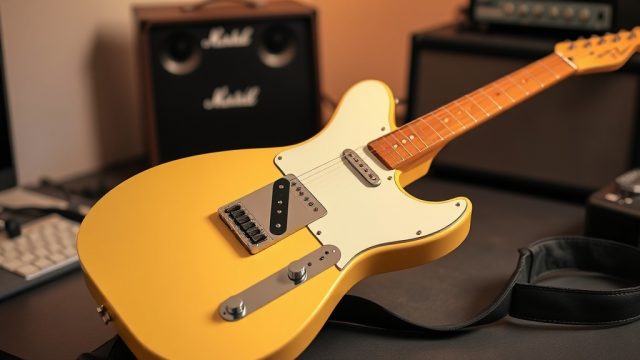
The Fender Player II Telecaster represents a significant leap in the Mexican-made lineup, offering modern features like a slim “C”-shape neck and updated pickups. However, like any production instrument in the sub-$1,000 range, it has a few recurring issues that owners should be aware of before committing. Two of the most frequently reported problems are tuning instability—often tied to the ClassicGear tuning machines—and fret sprout, a common manufacturing tolerances glitch that can affect playability.
In this article, we break down the most common issues with the Fender Player II Telecaster, providing practical fixes and severity ratings. For a deeper dive into the instrument’s sound and feel, check out our Fender Player II Telecaster Sound & Tone Analysis: Pickups and Versatility.
1. Why Does the Fender Player II Telecaster Go Out of Tune So Quickly?
One of the most widespread complaints from Player II Telecaster owners is tuning instability, particularly after aggressive bending or regular use. The culprit is often the stock “ClassicGear” tuning machines, which are sealed, vintage-style split-post tuners. These are not locking tuners, and the split-post design can cause string slippage if not wound correctly. Additionally, the gear ratio (approximately 18:1) is low for a modern instrument, making fine tuning difficult, especially after fresh string installation.
Fix: Proper string winding technique is crucial. Ensure at least three wraps around the split post, with the string end tucked into the split. For a permanent solution, consider upgrading to Fender’s locking tuners (e.g., Fender Vintage Locking Tuners, ~$70 USD). A simple nut lubrication (with graphite or a commercial product like Big Bends Nut Sauce) can also improve stability.
2. What Is Fret Sprout and Why Does It Happen on the Player II Telecaster?
Fret sprout—where sharp fret ends protrude beyond the fretboard edge—is a common issue due to wood contraction in dry climates. The Player II Telecaster uses a maple neck with a satin urethane finish, and the neck can shrink slightly after shipping. This causes the metal fret tangs to poke out, making the neck feel rough and potentially cutting the player’s hand.
Fix: Use a fret file or a dedicated fret end dressing tool (e.g., StewMac Fret End Dressing File, ~$45 USD). Alternatively, a luthier can perform a fret level and crown for $100–$150 USD. Humidifying the guitar case (keep at 45–50% relative humidity) can prevent future sprout.
3. How Bad Is the Tuning Issue Compared to Other Telecasters?
The Player II’s tuning stability is notably worse than the higher-end Vintera II series but comparable to the previous Player series. Below is a severity table for common Telecaster tuning issues across Fender’s current lineup.
| Model | Tuning Machine Type | Tuning Stability Rating (1–10) | Common Fix Cost (USD) |
|---|---|---|---|
| Player II Telecaster | ClassicGear (non-locking) | 6/10 | $70 (locking tuners) |
| Vintera II Telecaster | Vintage-Style (locking) | 8/10 | $0 (stock adequate) |
| American Professional II | Deluxe Cast/Sealed | 9/10 | $0 (stock excellent) |
| Squier Classic Vibe Telecaster | Die-Cast | 5/10 | $50 (tuner upgrade) |
Bottom line: If tuning stability is a priority, budget for a tuner upgrade or check the instrument’s setup. For more on the Player II’s overall fit and finish, see our Fender Player II Telecaster Build Quality: Neck Profile and Weight Relief.
4. Can Fret Sprout Be Fixed Without a Luthier?
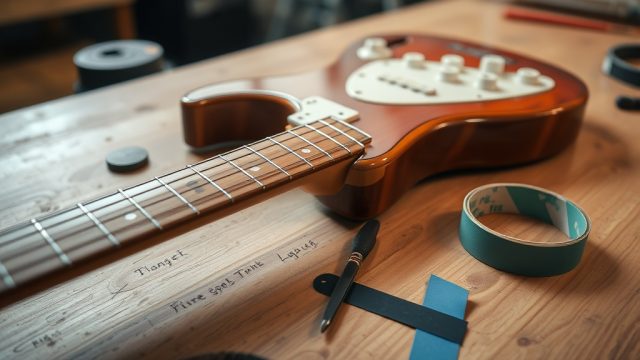
Yes, but it requires patience and the right tools. Most players can handle minor fret sprout with a fret end file (available from Stewart-MacDonald or Amazon for ~$30–$50 USD). The process involves:
- Masking the fretboard with painter’s tape to protect the wood.
- Gently filing the protruding fret ends at a 45-degree angle, then smoothing with 0000 steel wool.
- Applying a drop of cyanoacrylate glue to seal the exposed fret tang (optional).
For severe sprout (e.g., frets lifting from the slot), professional help is recommended. The fretboard on the Player II is not rolled, so sharp edges are more likely. Note that fret sprout does not affect tone but can hinder playability significantly.
5. Are There Other Common Electronic or Hardware Issues?
Beyond tuning and fret sprout, owners report lower-than-expected output from the stock Player Series pickups (alnico V neck, ceramic bridge). The 3-way switch can feel stiff initially, and the output jack may loosen over time. The bridge’s steel saddles can cause string breakage if burrs are present.
Fix: Clean the switch with contact cleaner (DeoxIT, ~$15 USD). Tighten the jack with a socket wrench. File down saddle burrs with a fine diamond file. For pickup output, consider a swap to Lollar or Seymour Duncan Telecaster pickups ($150–$200 USD).
What Owners Say
Online forums (Reddit, Telecaster, and Fender’s own forum) reveal a mixed but realistic view of the Player II Telecaster. Most owners praise the neck feel (slim “C” shape) and updated color options, but the two issues above dominate criticism. A typical comment: “Great guitar for $900, but prepare to spend another $100 on tuners and a fret dress.” Positive praise often centers on the weight relief—the body is chambered—making it lighter than previous Player series models. However, many note that the tuning instability detracts from gig-ready reliability. For a direct comparison, read our Fender Player II Telecaster Comparisons: vs PRS SE Custom 24.
Frequently Asked Questions
Q: Is the tuning issue on the Player II Telecaster a dealbreaker?
A: Not necessarily, but it is a common inconvenience. Most players can mitigate it with proper winding and lubrication. For $70–$100, locking tuners solve the problem.
Q: How much does a fret dress cost for a Player II Telecaster?
A: A full fret level and crown by a professional luthier typically costs $100–$150 USD. A simple fret end filing (for sprout only) is $30–$50.
Q: Can I return the guitar if fret sprout is severe?
A: Yes, if purchased new from a retailer with a return policy (e.g., Sweetwater, Guitar Center—usually 30 days). Fret sprout is a manufacturing defect, so many sellers cover it.
Q: Do the Player II Telecaster’s pickups need upgrading?
A: Not for most beginners, but intermediate players often find them too thin for heavier genres. Upgrading to premium pickups is a popular mod.
Q: How does the Player II Telecaster compare to the Squier Classic Vibe?
A: The Player II has a better neck (slim “C”), weight relief (chambered body), and genuine Fender electronics. However, Squier often has fewer fret issues out of the box. Price difference: ~$400 USD.
Q: Is the Player II Telecaster good for heavy string bending?
A: The 9.5-inch radius and 22 medium jumbo frets support bending, but tuning stability is a weak point. Upgrade tuners and nut lubrication recommended for consistent bending.
Final Verdict
The Fender Player II Telecaster is a solid mid-range guitar, but its two most common issues—tuning instability and fret sprout—are genuine considerations for buyers. With minor adjustments (locking tuners, fret end filing) it becomes a reliable workhorse. For the price (~$900 USD), it offers good value if you’re willing to invest a little extra in setup. Before purchasing, inspect the fretboard edges and test tuning stability. For overall value assessment, read our Fender Player II Telecaster Buying Guide: Features and Value.