Gibson Les Paul Standard ’60s Common Issues: Tinning Stability and Finish Cracking
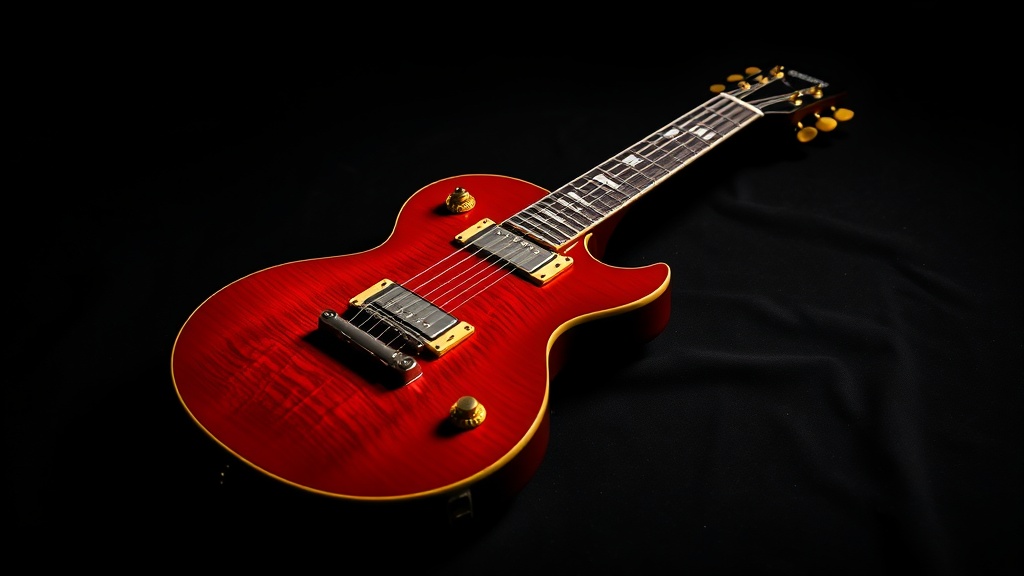
The Gibson Les Paul Standard ’60s is a revered instrument, echoing the golden era of rock with its hot ’60s Burstbucker pickups and slim taper neck. However, beneath its vintage allure, two persistent issues demand attention: tuning instability and nitrocellulose finish cracking. This article dives deep into these common problems, offering practical fixes and insights for owners and prospective buyers alike, drawing from real-world experiences and expert assessments at Gibson Les Paul Standard ’60s Build Quality: Neck Profile and Weight Relief.
Why Does the Gibson Les Paul Standard ’60s Have Tuning Stability Issues?
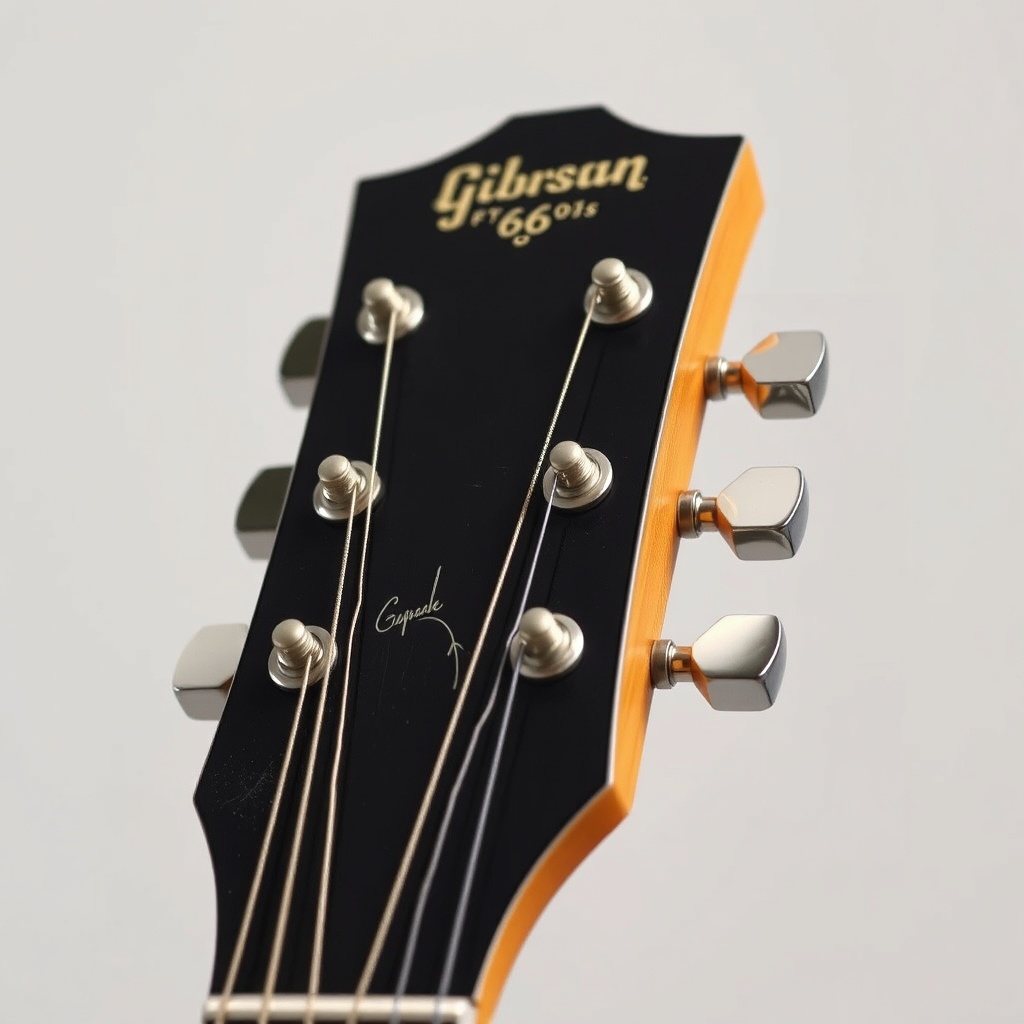
The Gibson Les Paul Standard ’60s is notorious for tuning stability issues, particularly with the G and B strings. The root cause often lies in the nut design and material. Stock Gibson nuts are made of Corian or Graph Tech, which can bind strings due to sharp slot edges or inadequate lubrication. Additionally, the slim taper neck (measuring 0.82 inches at the 1st fret and 0.92 inches at the 12th) can cause slight bowing under tension, exacerbating friction. The tuning pegs—Keystone-style vintage machines with a 15:1 ratio—offer decent precision but can slip if not properly tightened, especially after string changes. The string break angle over the nut is sharp on Les Pauls due to the headstock angle (17 degrees), increasing friction and slippage. Many players report needing constant re-tuning after aggressive bends or temperature shifts.
Fix: First, lubricate the nut slots with graphite or a commercial product like Big Bends Nut Sauce. For severe issues, file the nut slots slightly deeper or wider using a set of nut files (0.046 for G, 0.065 for B). Replacing the nut with a Tusq XL or bone nut can dramatically improve tuning stability. Check the tuning peg screws—tighten them with a screwdriver but avoid over-torquing. Finally, consider upgrading to locking tuners like Grover 501C, which have a 18:1 ratio and a locking mechanism to prevent slippage.
| Issue | Severity | Average Fix Cost (USD) | DIY Difficulty |
|---|---|---|---|
| Binding nut slots | High | $10–$30 (Graphite/Nut Sauce) | Easy |
| Improper nut slot depth | Medium | $50–$120 (Nut replacement & setup) | Hard |
| Loose tuning pegs | Low | $0 (Tightening) | Easy |
| Slipping G/B strings | Medium | $15–$40 (Locking tuners) | Moderate |
| Neck bowing under tension | High | $30–$80 (Truss rod adjustment) | Moderate |
What Causes Finish Cracking on the Gibson Les Paul Standard ’60s?
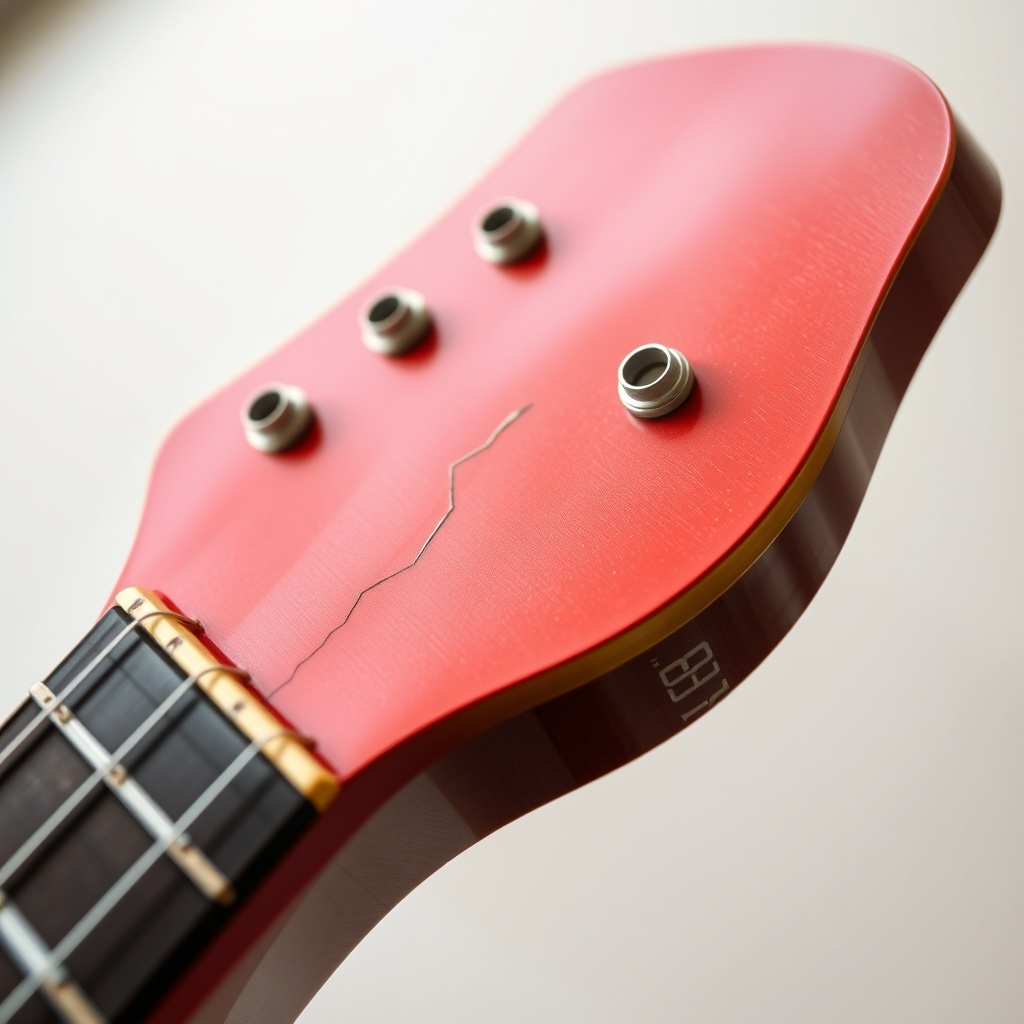
Finish cracking in the Gibson Les Paul Standard ’60s is a common cosmetic issue, often referred to as “checking” or “crazing.” This occurs because the nitrocellulose lacquer finish—valued for its thin, resonant, and vintage-correct appearance—is brittle and less flexible than modern polyurethane. The main triggers include:
- Temperature fluctuations: Fast changes from cold to hot can cause the wood base (mahogany body with maple cap) to expand or contract differently than the lacquer, leading to stress cracks.
- Humidity changes: Low humidity causes wood shrinkage, while high humidity causes swelling, again stressing the rigid lacquer.
- Physical stress: Heavy playing, string tension, or a tight case can create micro-fractures over time, especially near the neck joint, strap buttons, and pickguard screw holes.
- Manufacturing process: The nitro lacquer is applied in thin layers (around 35–45 microns total), making it susceptible to cold-check at the factory if curing times are rushed.
Fix: Most finish cracks are cosmetic and don’t affect playability. To prevent further cracking, store the guitar in a stable environment (40–70% humidity, 68–72°F). Use a humidifier or dehumidifier as needed. For minor cracks, a luthier can drop-fill with nitrocellulose lacquer and buff the area. Severe checking may require a complete refinish, costing $400–$800. Avoid using harsh solvents or heavy-duty polishes, as they can damage the nitro finish further.
How to Prevent Tuning Instability on a Gibson Les Paul Standard ’60s?
Prevention is key for tuning stability on the Gibson Les Paul Standard ’60s. Start with proper stringing technique: leave at least 2–3 wraps on the tuning post, avoid overlapping strings, and stretch each string after installation. Use a string winder to ensure even tension. Lubricate the nut slots every string change—a small dab of Vaseline works in a pinch. For players who do heavy bending, consider a Graph Tech Ghost modular pickup system with a built-in string tree, but that’s a drastic mod. At the low end, a Gibson Les Paul Standard ’60s Build Quality: Neck Profile and Weight Relief article highlights the slim taper neck profile as a factor in tuning stability—the neck can be subtly adjusted via the truss rod (use a 1/4″ socket) to counteract minor bowing. Rule of thumb: a string height of 1.5mm at the 12th fret (high E) is standard, and tuning pegs should be tightened enough to avoid wobble.
Can Finish Cracking Be Repaired Without Refinishing?
Yes, finish cracking on a Gibson Les Paul Standard ’60s can often be repaired without a full refinish, especially if the cracks are hairline and the nitro is still intact. The standard process involves:
- Clean the crack with naptha (lighter fluid) and a lint-free cloth to remove oils.
- Sand lightly with 2000-grit paper to feather the edges where the crack has lifted.
- Drop-fill using nitrocellulose lacquer (mix a small amount with thinner to a paste consistency) with a syringe or brush.
- Wet sand after 24 hours with 3000–5000-grit paper, then buff with a polishing compound (e.g., Meguiar’s M105).
For cracks near the neck joint or strap buttons, a luthier might use super glue (cyanoacrylate) for a stronger bond, but it’s trickier to match sheen. Home kits cost $30–$60; professional spot repair is $50–$150. Full refinish is only needed for deep, widespread checking that exposes bare wood—costs range $400–$800, depending on location.
What Role Does the Nut Material Play in Tuning Stability?
The nut material is a critical factor in the Gibson Les Paul Standard ’60s tuning stability. Stock nuts are typically Corian or Graph Tech, which are hard and dense—good for sustain but poor for grip-free sliding. Bone nuts (e.g., Tusq XL) are porous and slightly softer, allowing strings to seat properly and reduce binding. Brass or aluminum nuts (common on custom builds) offer bright tone but require precise slot work. A poorly cut slot—too shallow or with rough edges—can cause string binding and pitch drift. Many players upgrade to a Tusq XL nut ($12–$20) plus professional installation ($40–$70), which dramatically improves tuning stability. At Gibson Les Paul Standard ’60s Build Quality: Neck Profile and Weight Relief, the factory nut slot depth is often set to 0.015–0.020 inches for the high E and up to 0.025 for the low E—tight tolerances that can bind after string corrosion. Lubrication every 3–6 months extends nut life.
Is There a Warranty Coverage for Finish Cracking?
Gibson USA offers a Limited Lifetime Warranty for the original purchaser, covering manufacturing defects for the lifetime of the product. Finish cracking due to normal use, temperature changes, or aging is often not covered under this warranty. However, if the cracking appears within the first year and is determined to be a result of improper curing or application, Gibson may offer a repair or replacement. To claim, contact Gibson Customer Service with proof of purchase and detailed photos. For secondhand or vintage models (bought after 2010), warranty is non-transferable. Many owners opt for third-party insurance (e.g., State Farm Personal Articles Policy) adding $6/mo for a $3,000 guitar. Best practice: register your guitar online within 90 days of purchase to activate the limited warranty.
What Owners Say
James R. (Los Angeles, CA): “I love the tone of my ’60s Standard, but the G string is a nightmare. After I replaced the nut with a Tusq XL and put on locking Grovers, it holds tune perfectly. The finish does have some tiny cracks near the pickguard—not a big deal to me, adds character.”
Maria K. (London, UK): “The finish cracking started after I left it in a cold car for an hour. It’s only on the top near the bridge control cavity. My local luthier used drop-fill for £65, and it’s almost invisible now. The neck feels amazing though.”
David L. (Nashville, TN): “Bought mine new in 2020. Tuning was solid initially, but after a year, the low E started getting stuck. Nut slot was too narrow. Luthier filed it for $30—problem solved. The finish is immaculate—I keep it in a climate-controlled room. No issues.”
Sophie T. (Sydney, AU): “I play heavy riffs, so I expected tuning issues. Locking tuners (Grover 502C) fixed 90% of it. The finish cracking near the strap button is cosmetic—I just ignore it. The sound is second to none.”
Frequently Asked Questions
Why does my Gibson Les Paul Standard ’60s go out of tune when I use the whammy bar?
The Gibson Les Paul Standard ’60s does not have a whammy bar—it’s a fixed bridge (ABR-1 or Nashville Tune-o-matic). Tuning issues are due to nut binding or string stretching, not a tremolo system. If you add a Bigsby aftermarket, the same fixes apply (nut lube, locking tuners).
How often should I lubricate the nut on a Gibson Les Paul Standard ’60s?
Every string change (every 2–3 months for regular players) is ideal. Use graphite powder (from a pencil) or a commercial product like Big Bends Nut Sauce. For heavy gigging, lubricate monthly.
Does finish cracking affect the resale value of the Gibson Les Paul Standard ’60s?
Minor checking is often seen as vintage character and may not lower value, even adding appeal. Severe cracking (over 25% of the top) reduces value by 5–15% typically. A full refinish can lower value by up to 30% unless done by a skilled luthier.
What gauge strings fix tuning stability on the Gibson Les Paul Standard ’60s?
Heavier gauge strings (e.g., 11-49) provide more tension and sometimes reduce binding, but they put extra stress on the nut and neck. Most players stick to 10-46 (standard). For a balance, try 10.5-48 or 11-48 (D’Addario NYXL) after lubing the nut.
Can a Gibson Les Paul Standard ’60s finish crack be fixed with super glue?
Yes, but use thin cyanoacrylate (e.g., StewMac CA glue) for drop-filling. Apply carefully with a syringe, avoid overflow, and sand gently. Not recommended for large areas or near binding—visit a luthier for complex repairs.
Is the tuning stability worse on a Gibson Les Paul Standard ’60s than a Standard ’50s?
Generally, yes. The ’60s model has a slimmer neck profile (0.82″ vs 0.89″ at 1st fret), which is slightly more flexible, and uses the same nut design. The ’50s chunkier neck provides slightly more mass, dampening vibrations that trigger binding, but the difference is marginal; both benefit from nut maintenance.