Fender Player II Telecaster vs PRS SE Custom 24: Two Icons, Two Worlds
The Fender Player II Telecaster and PRS SE Custom 24 represent two fundamentally different approaches to electric guitar design, yet they compete for the same mid-range budget. One champions classic bolt-on simplicity and twang; the other offers carved-top elegance and 24-fret versatility. This comparison digs into every spec, sound, and feel difference to help you decide which suits your playing style and wallet—whether you’re in London, New York, or Sydney.
What Are the Core Spec Differences Between Fender Player II Telecaster and PRS SE Custom 24?
At first glance, the differences are stark. The Fender Player II Telecaster adheres to the original 1950s blueprint—a slab ash or alder body, bolt-on maple neck, and two single-coil pickups. The PRS SE Custom 24, meanwhile, borrows from the Core-line PRS with a carved maple top on mahogany, a 24-fret mahogany neck with rosewood fretboard, and two humbuckers with a coil-split. Here’s how they compare side-by-side:
| Spec | Fender Player II Telecaster | PRS SE Custom 24 |
|---|---|---|
| Body Wood | Alder or Ash (solid) | Mahogany with carved Maple top |
| Neck Wood | Maple, bolt-on | Mahogany, set-in |
| Fretboard | Maple or Pau Ferro | Rosewood |
| Frets | 22, medium-jumbo | 24, medium-jumbo |
| Pickups | 2x Player Series Single-Coil | 85/15 S Humbuckers with coil-split |
| Bridge | 6-saddle vintage-style Tele | PRS patented tremolo (vibrato) |
| Scale Length | 25.5″ (648 mm) | 25″ (635 mm) |
| Nut Width | 1.65″ (42 mm) | 1.6875″ (42.8 mm) |
| Weight | ~3.4–3.7 kg | ~3.2–3.5 kg |
| List Price (US) | $849.99 | $949.00 |
| List Price (UK) | £679 | £799 |
| List Price (AU) | A$1,399 | A$1,599 |
The Fender’s 25.5″ scale offers brighter, snappier attack, while the PRS’s 25″ scale feels slightly looser and warmer. The Tele’s fixed bridge provides rock-solid tuning stability for aggressive playing; the PRS’s tremolo adds expressiveness but requires more careful setup. If you prioritize classic twang and simplicity, the Player II Tele will feel like home. For modern rock with divebombs and coil-splitting, the SE Custom 24 wins on versatility.
How Do the Pickups and Tonal Palettes Compare?
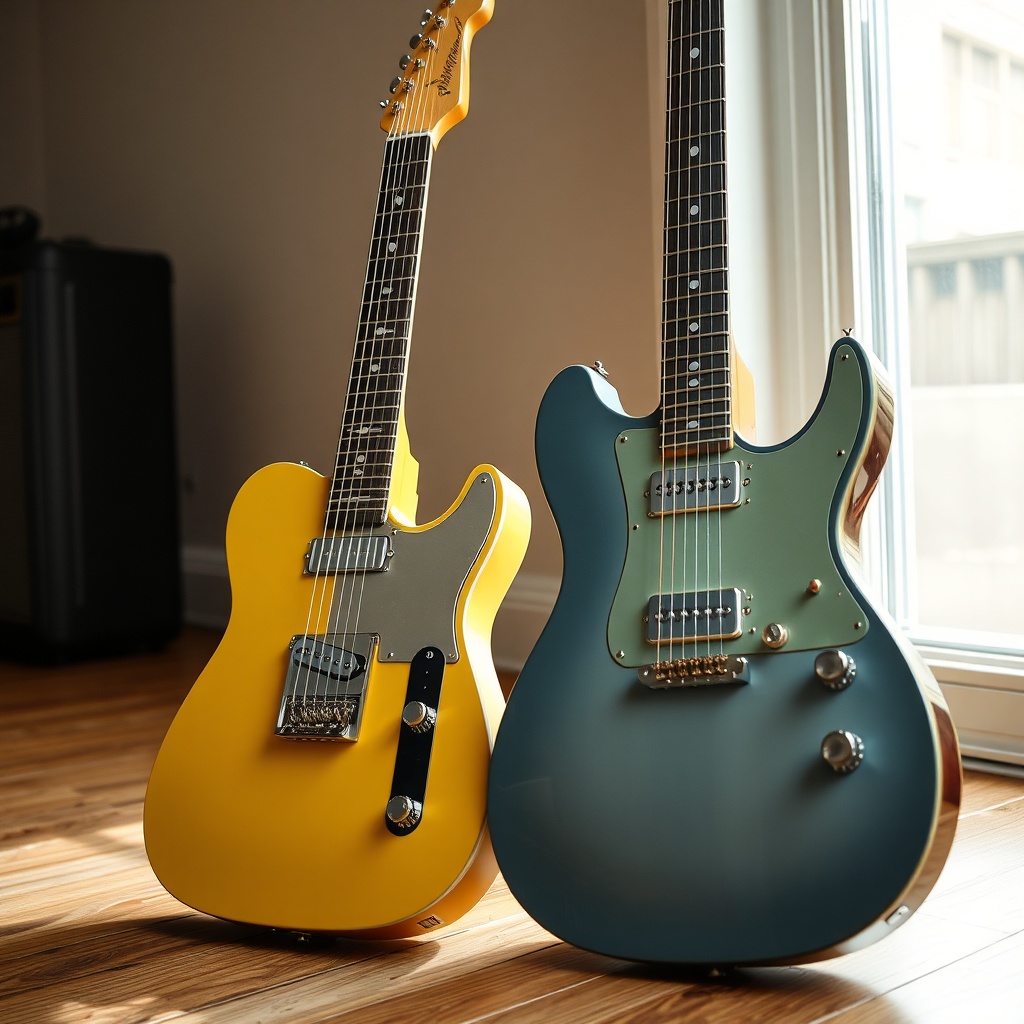
The Fender Player II Telecaster uses its signature Player Series single-coils—alnico magnets in a slightly overwound design to reduce hum while retaining twang. The neck pickup is rich and vocal, ideal for jazz or blues; the bridge is bright and percussive for country or funk. Clean, it’s quintessential Tele: chiming, articulate, with a slight midrange push. Overdriven, it excels in roots rock and punk but lacks high-gain authority.
In contrast, the PRS SE Custom 24’s 85/15 S humbuckers deliver enormous output, with a thick, compressed low-end and smooth highs. Coil-split via the push-pull tone pot yields passable single-coil sounds—close to a Strat’s quack but not a Tele’s snap. The PRS can handle everything from modern metal to jazz fusion, while the Tele is more tightly focused on vintage-inspired tones. For a deeper look into the Player II Tele’s pickup character, read our Fender Player II Telecaster Sound & Tone Analysis: Pickups and Versatility.
If you play heavy genres or need a Swiss Army knife of sounds, the PRS’s humbuckers and coil-split give you wider tonal range. If you’re after that unmistakable Tele bite—think Keith Richards, Bruce Springsteen, or Brad Paisley—the Player II Tele delivers that voice with no compromises.
Which Guitar Feels Better in the Hands: Build Quality and Neck Profile?
Neck profile is a deciding factor. The Fender Player II Telecaster sports a “Modern C” shape—.820” at the first fret to .900” at the 12th—with a satin urethane finish. It’s comfortably slim for fast runs but not toothpick-like. The rolled fingerboard edges on the player series (introduced in the Player II line) add a broken-in feel, reducing sharpness during long sessions. The neck joint is a standard four-bolt plate, solid with no gaps.
The PRS SE Custom 24 uses a “Wide Thin” profile—about .800” at the first fret to .860” at the 12th—with a gloss finish that can feel slightly sticky. The set-neck construction (glued-in) provides better sustain and upper-fret access, especially since the 24th fret is accessible without a cutaway. The SE’s fretwork is impressive, with polished medium-jumbo frets that are well-dressed from the factory. However, the gloss neck may require a scuff pad for sweaty hands.
Both guitars weigh between 3.2 and 3.7 kg, but the Tele’s slab body can feel slightly more neck-heavy when standing. The PRS’s double-cutaway and carved top balance beautifully. For a detailed breakdown of the Fender’s neck and weight considerations, see our Fender Player II Telecaster Build Quality: Neck Profile and Weight Relief.
Are There Common Issues with Tuning Stability or Fret Sprout on Either Guitar?
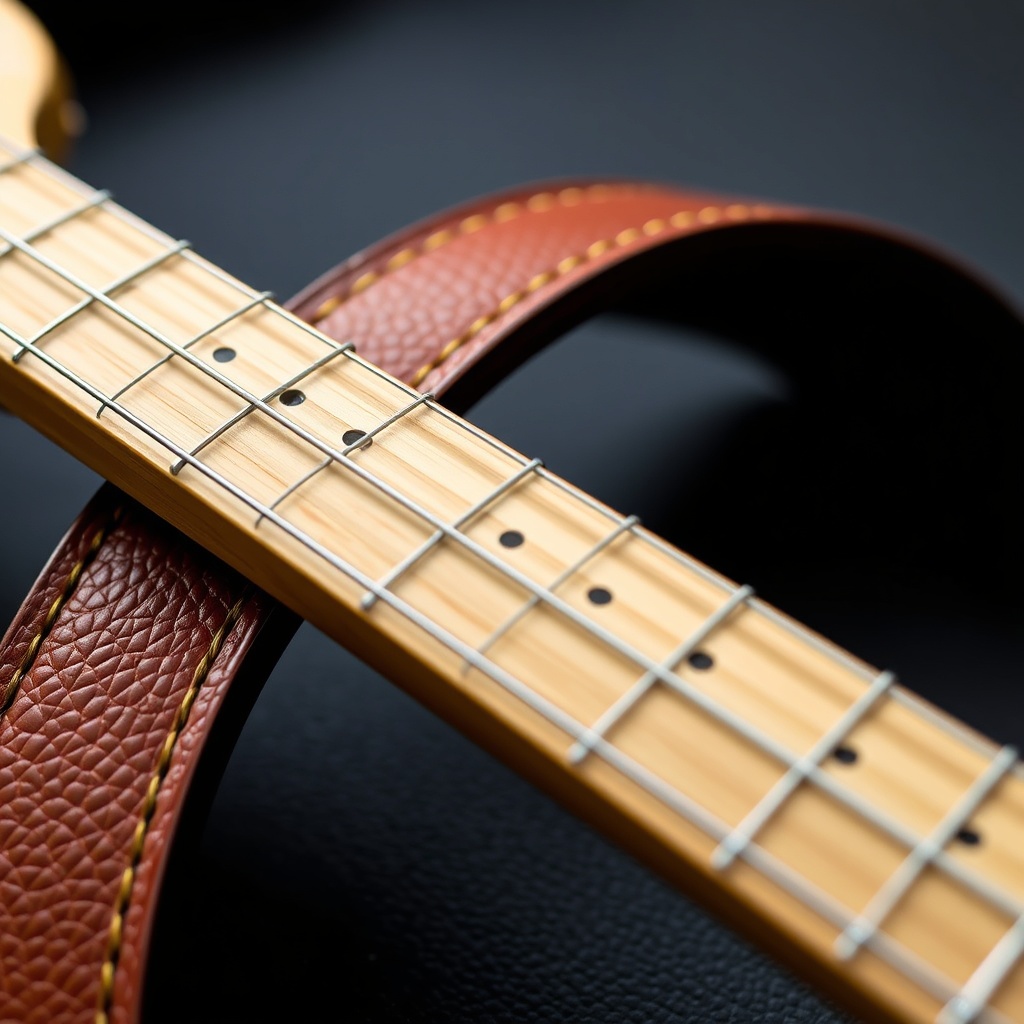
No guitar in this price range is perfect, and both have reported quirks. The Fender Player II Telecaster sometimes suffers from fret sprout—especially when shipped in dry or cold climates. The maple fretboard (without a finished fingerboard on the maple-neck variant) can contract slightly, causing fret ends to poke out. The fix, however, is simple: a luthier can file them down in 15 minutes. Tuning stability is generally good thanks to the vintage-style 6-saddle bridge, but the stock sealed tuning machines can slip slightly under heavy bends. Upgrading to locking tuners solves this.
The PRS SE Custom 24 has its own issues. The tremolo bridge can be finicky; floating setups may cause tuning drift if the nut is not well-lubricated. Some owners report sharp fret edges on the rosewood board, though PRS’s QC has improved in recent years. The SE’s nut is a synthetic material that works fine but may benefit from a graphite replacement. Both guitars can be set up perfectly with a little attention.
For a complete list of the Fender’s known issues and solutions, dive into our Fender Player II Telecaster Common Issues: Tuning Stability and Fret Sprout. Your choice may come down to which quirks you’re willing to live with—or fix.
What Owners Say About the Fender Player II Telecaster vs PRS SE Custom 24
We compiled feedback from guitar forums, retail reviews, and owner communities to see how real users feel. Overwhelmingly, Fender Player II Telecaster owners praise its “straight-in, no-nonsense tone” and “rock-solid reliability.” Common phrases include “it stays in tune for days” and “the neck feels like butter after a setup.” Complaints focus on the stock bridge saddles (some prefer compensated brass for intonation) and the lack of a belly cut—the slab body can dig into ribs during long gigs.
PRS SE Custom 24 owners highlight “incredible versatility” and “stunning looks that rival guitars twice the price.” The 24-fret access and coil-splitting are frequently called game-changers for one-guitar players. Negatives include the gloss neck being “sticky on hot stages” and the tremolo “requiring a pro setup to stay in tune.” Both guitars have loyal followings, but the Tele owners tend to be traditionalists, while PRS owners lean toward modern players who want one guitar to cover everything from cleans to shredding.
Frequently Asked Questions
1. Is the Fender Player II Telecaster or PRS SE Custom 24 better for rock music?
For classic rock, blues rock, and punk, the Tele’s single-coil clarity and punch cut through. For hard rock, metal, or modern rock, the PRS’s humbuckers handle high gain better. If you play both, the PRS with coil-split is more versatile, but the Tele has the iconic snarl.
2. Which guitar has a better resale value?
Both hold value well. The Fender Player II Telecaster typically resells at 60-70% of its new price after a few years, while the PRS SE Custom 24 holds around 55-65%. Fender’s brand cachet often commands a slight edge on the used market.
3. Can the Fender Player II Telecaster be upgraded easily?
Absolutely. The Tele’s body routes are standard, so you can swap pickups, bridge, tuners, and pots. Many owners drop in a set of Fender Noiseless pickups or 4-way switch for series wiring. Upgrading to a compensated bridge is a common mod.
4. Does the PRS SE Custom 24 have a thinner neck than the Fender?
Yes. The PRS “Wide Thin” profile is slightly thinner front-to-back than the Fender’s “Modern C,” especially at the nut. Players with smaller hands often prefer the PRS, while those wanting a fuller grip lean toward the Tele.
5. Which guitar is better for beginners?
Both are excellent but for different reasons. The Tele’s simple controls and fixed bridge are easier to maintain and learn on. The PRS offers more tonal variety and longer sustain, which can inspire as you progress. Price difference is minimal—$100 US more for the PRS—so choose based on musical style.
6. Are there any significant weight differences between the two?
Both average around 3.4 kg. The Tele’s slab body can feel heavier due to weight distribution, while the PRS’s carved top and double cutaway balance better. Some Player II Tele bodies have been as light as 3.2 kg thanks to alder density variance.