Fender Player II Telecaster Buying Guide: Features and Value
For guitarists seeking a classic Telecaster experience with modern refinements, the Fender Player II Telecaster presents a compelling option in the mid-price range. This guide breaks down what to expect from this Mexican-made workhorse, covering specs, build quality, and real-world value to help you decide if it fits your needs.
The Player II series succeeded the popular Player series, introducing new finishes, a redesigned neck profile, and updated pickups. At approximately £899 / $949 / €1,049, it competes directly with instruments from PRS SE, Yamaha, and other solid-body electrics. Below we answer the key questions buyers ask.
What Specs and Hardware Come Standard on the Player II Telecaster?
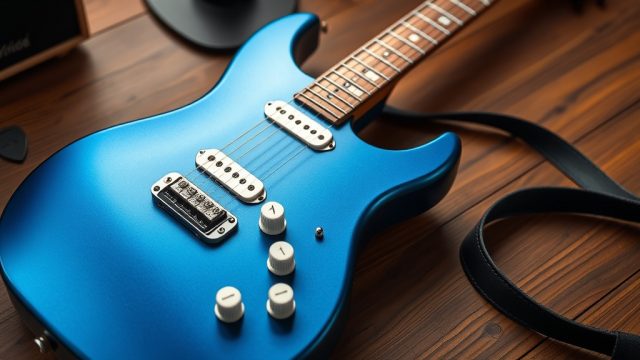
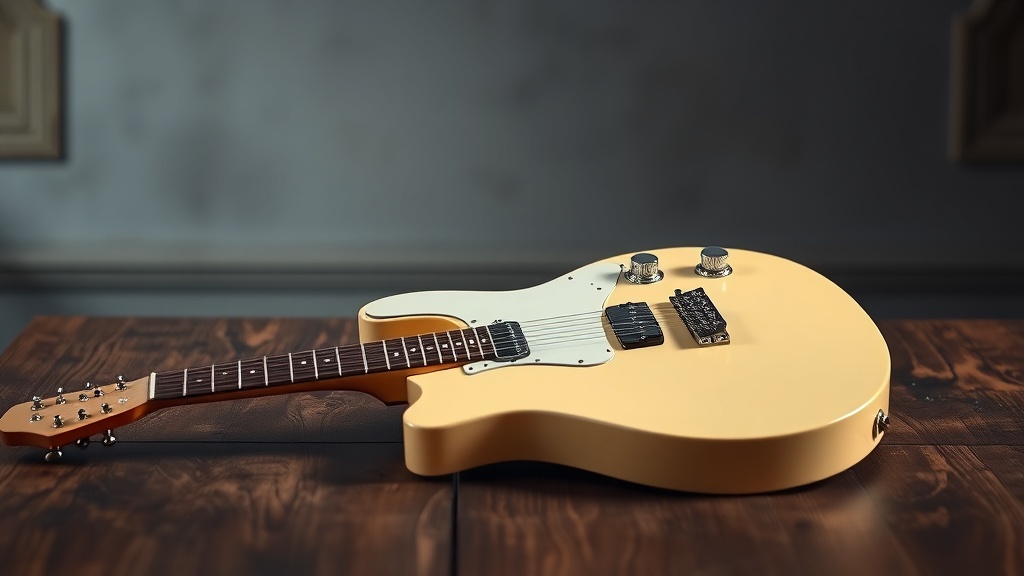
The Player II Telecaster is a traditional bolt-on design with a few modern touches. The body is alder (or poplar on some finishes) with a gloss polyester finish, available in colours like Buttercream, Capri Orange, and Sonic Gray. The neck is maple with a “Modern C” profile—slightly fuller than the previous “Slim C” but still comfortable for most hand sizes. It uses a 9.5-inch radius fingerboard with 22 medium-jumbo frets and a synthetic bone nut. The scale length is the classic 25.5 inches.
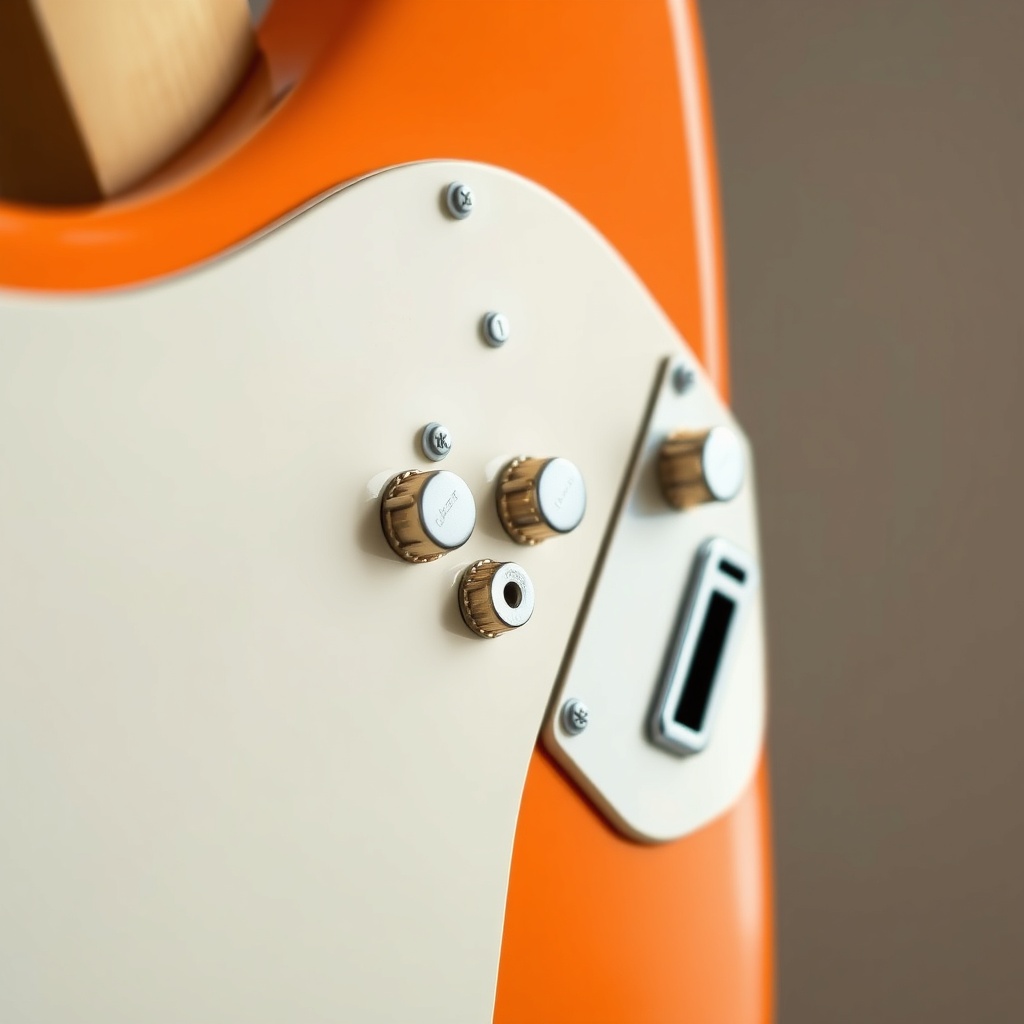
Hardware includes a six-saddle string-through-body Telecaster bridge with block steel saddles for improved sustain and intonation stability. The tuning machines are sealed, standard Fender die-cast units. The pickguard is 3-ply parchment or white, depending on colour. The instrument weighs around 7.8 to 8.3 lbs (3.5–3.8 kg).
Here is a quick spec comparison with its direct competitor:
| Specification | Fender Player II Telecaster | PRS SE Custom 24 |
|---|---|---|
| Body Wood | Alder/Poplar | Mahogany |
| Neck Profile | Modern “C” | Wide Thin |
| Frets | 22 Medium Jumbo | 24 Medium Jumbo |
| Pickups | 2x Player Series Alnico 5 Tele | 2x PRS 85/15 “S” Humbuckers |
| Bridge | 6-Saddle Strings-Thru-Body Tele | PRS Patented Tremolo, Molded |
| Weight (approx) | 3.5–3.8 kg (7.8–8.3 lbs) | 3.2–3.6 kg (7.1–7.9 lbs) |
| List Price | £899 / $949 / €1,049 | £949 / $999 / €1,099 |
How Do the Pickups Sound and How Versatile Is the Player II Telecaster?
The Player II Telecaster uses a pair of proprietary alnico 5 single-coil pickups designed specifically for this series. The bridge pickup delivers that classic Tele twang—bright, percussive, and cutting through a mix without being excessively harsh. The neck pickup is warmer and rounder, suitable for blues and clean jazz. The middle position combines both pickups with the traditional “quack” that works well for funk and country.
Versatility is decent for a two-pickup Telecaster. The standard 3-way selector gives three distinct voices: neck (warm), both (quacky), and bridge (twangy). For genres like rock, pop, and indie, the Player II handles overdrive pedals well. However, it lacks a humbucker—so high-gain users may prefer a Telecaster with a bridge humbucker or an HSS configuration. The overall character is classic Fender. For more depth on pickup character and tonal range, read our dedicated Fender Player II Telecaster Sound & Tone Analysis: Pickups and Versatility.
What Is the Build Quality Like on the Neck and Body?
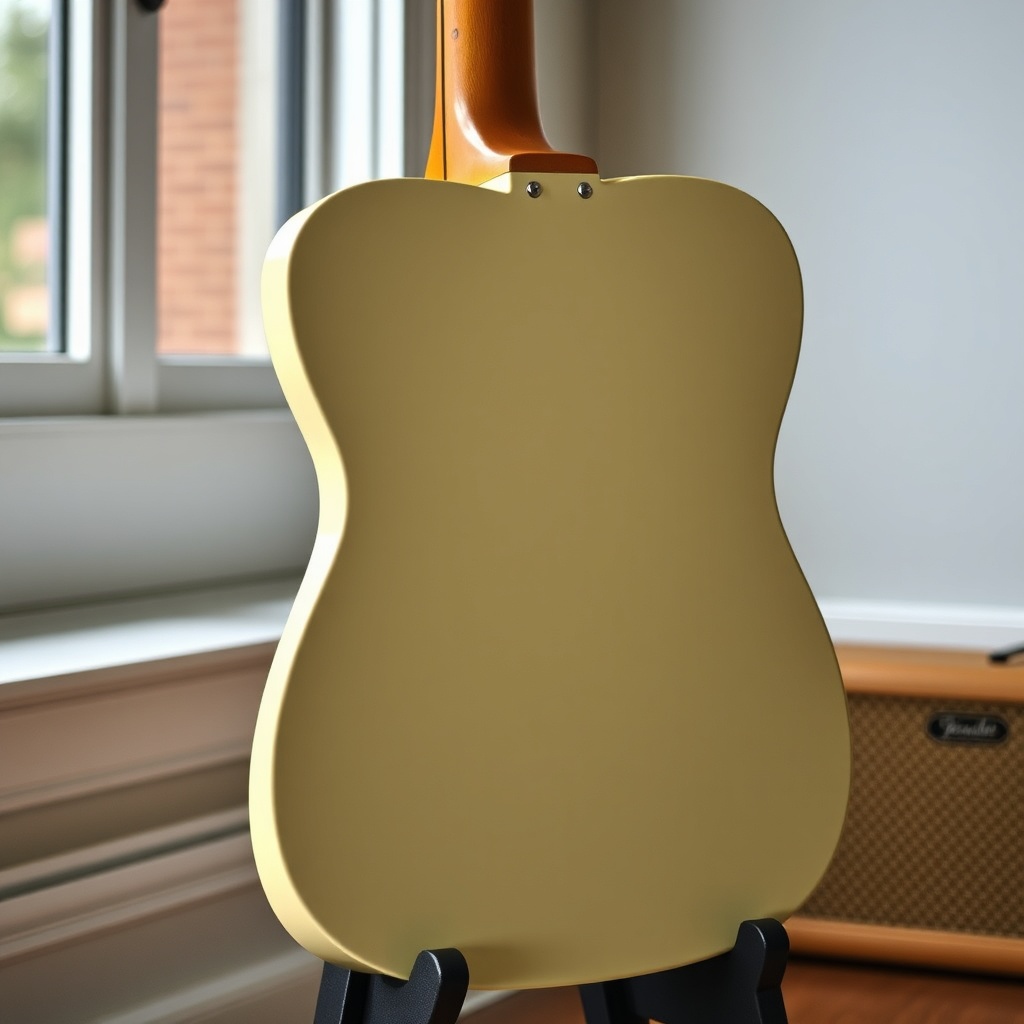
Fit and finish on Player II Telecasters is generally good for the price point. The body contours are clean, the polyurethane gloss is even, and the neck joint is snug. The maple neck has a smooth satin finish on the back that allows for fast movement. The fretwork is decent: medium-jumbo frets are well-seated and the ends are rolled, though some units may show minor sharpness on the edges—a common point at this price.
The “Modern C” neck has a measured depth of about 0.82 inches at the first fret and 0.91 inches at the 12th fret, providing a solid grip without being too chunky. The 9.5-inch radius works well for both chord work and bending. Weight relief is not applied—the body is solid alder, which contributes to the bright, resonant tone and the Telecaster’s characteristic sustain. For an in-depth look at the neck profile and weight distribution, see our Fender Player II Telecaster Build Quality: Neck Profile and Weight Relief.
How Does the Player II Telecaster Compare to the PRS SE Custom 24?
When stacked against the PRS SE Custom 24 (roughly identical price range), the Fender Player II Telecaster offers a different playing feel and tone. The PRS has 24 frets, a tremolo bridge, and humbuckers—better for shredding and covering diverse genres with high gain. The Tele, on the other hand, has simpler electronics, a fixed bridge, and a more focused sound. The Tele’s weight is slightly heavier (by about 0.5–1.0 lbs), but many players prefer the non-trem stability for rhythm playing. The choice often comes down to style: classic country, blues, rock vs modern rock, metal, and fusion. For a detailed head-to-head, check out Fender Player II Telecaster Comparisons: vs PRS SE Custom 24.
What Are the Common Issues to Check Before Buying a Player II Telecaster?
Most issues with Player II Telecasters are minor and typical for the price range. The most frequently reported problem is tuning stability from the die-cast tuners—though many users find them adequate, some upgrade to locking tuners for better performance. Fret sprout (sharp fret ends) can appear, especially if the guitar has been stored in low humidity. The synthetic bone nut sometimes needs slight filing for proper string seating. These are not deal-breakers, but worth checking with a new purchase. For a full list of potential problems and fixes, read Fender Player II Telecaster Common Issues: Tuning Stability and Fret Sprout.
What Do Owners Say About the Fender Player II Telecaster?
User feedback across forums and review sites is generally positive. Many owners praise the “modern but familiar” feel—the neck profile is a hit for those who found older Telecasters too slim. The pickups receive compliments for their clarity and dynamic response. The hardware is considered good for the price, though several users note that the tuners are the weakest link. The finish options—especially Buttercream and Capri Orange—are called out as beautiful and distinctive. Negative comments often revolve around consistency: a few buyers report needing a setup out of the box due to high action or intonation issues. Overall, the consensus is that the Player II offers great value for the money at this price tier.
Frequently Asked Questions About the Fender Player II Telecaster
- Is the Player II Telecaster a good first guitar? Yes, it is a solid choice for beginners who want a reliable, classic sound. The 9.5-inch radius and comfortable neck make it easy to play. However, the single-coil pickups can be noisy with high gain—consider a model with a humbucker if you play metal.
- Can I upgrade the pickups later? Absolutely. The Player II uses standard Telecaster pickup routes, so many aftermarket pickups (e.g., Fender Vintage Noiseless, Seymour Duncan Quarter Pounders) fit without modification.
- Does the Player II Telecaster come with a case? No, it comes with a gig bag (deluxe padded bag). A hard case is an optional extra costing around £120/$130/€140.
- Is the Player II Telecaster good for recording? Yes, its clarity and punch make it excellent for recording most genres, especially country, blues, indie, and pop. The fixed bridge gives rock-solid tuning stability for takes.
- What is the difference between the Player II and the Player I Telecaster? The Player II has a revised neck profile (Modern C vs Slim C), new colour options, and (on some models) a 2-point tremolo bridge. The electronics are also slightly different—the Player II pickups are voiced to be more vintage.
- Are the tuners easy to replace? Yes, the stock tuners are standard die-cast units that can be swapped for locking models like Fender locking tuners or Grover rotomatics without drilling additional holes in most cases.