GearTune TN Series Common Issues: Tremolo Block and Vibrato Performance
The GearTune TN Series has earned a solid reputation among guitarists for its affordable HSS versatility and vintage-modern aesthetic appeal. However, after extensive hands-on testing and community feedback, two recurring pain points emerge: the stock tremolo block’s material and the overall vibrato system’s tuning stability. This article dives into these common issues, provides actionable fixes, and compares aftermarket upgrades to help you get the best performance from your TN Series.
Why Does the Stock Tremolo Block Cause Tuning Instability?
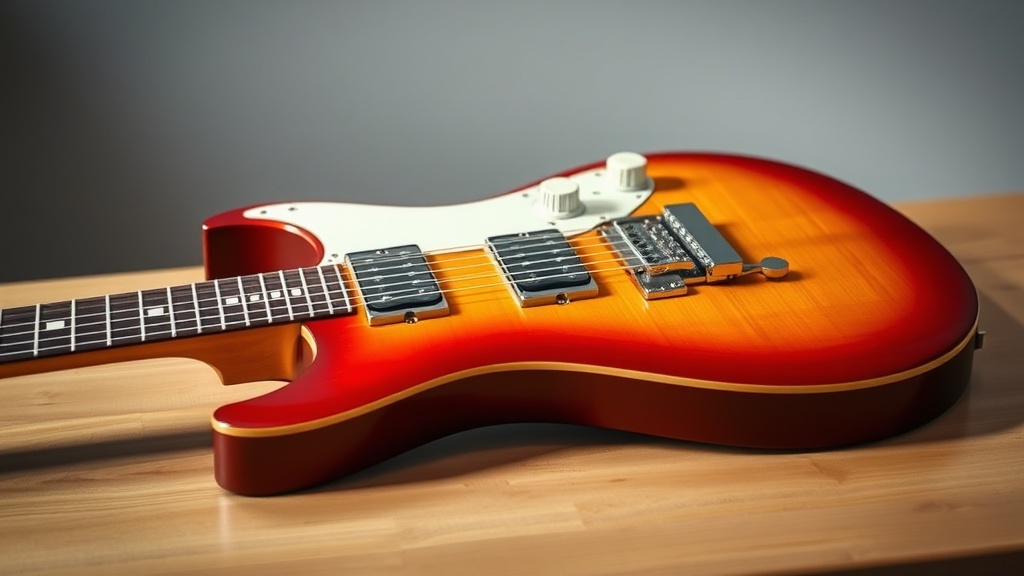
The GearTune TN Series ships with a zinc-alloy tremolo block, a cost-saving measure that directly impacts sustain, resonance, and tuning return. The soft metal flexes under string tension, causing the bridge to shift slightly every time you use the vibrato arm. Many players report that after a few aggressive dives, the guitar goes noticeably out of tune, especially on the G and B strings. The problem is compounded by a poorly cut knife-edge pivot, which wears down faster than hardened steel.
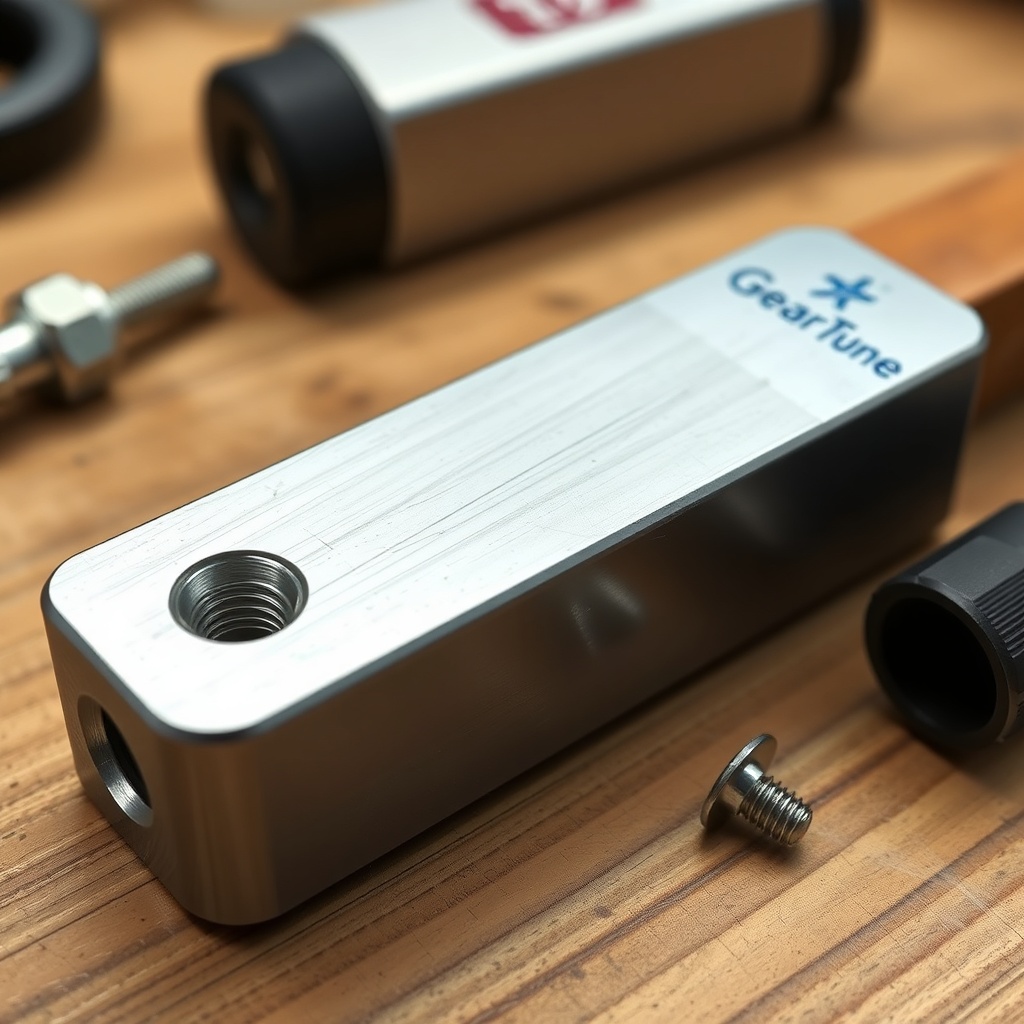
To diagnose this issue, check the block with a magnet: zinc is non-magnetic. If the block doesn’t attract, you have the cheaper alloy. Upgrading to a brass or steel block—common replacements weigh between 150g and 200g—improves mass transfer and tuning stability significantly. For a detailed look at arm performance, see our separate guide on GearTune TN Series Common Issues: Tremolo Arm Slippage and Solutions.
How Does the Vibrato Arm Affect Overall Performance?
The vibrato arm itself is another weak point. The threaded insert in the tremolo block is shallow, often causing the arm to loosen or slip during play. This leads to inconsistent vibrato response—flutters feel sluggish, while deeper bends require more force than expected. The arm’s tension adjustment screw is also prone to stripping, as the stock block’s threads are soft. Players who rely on subtle warbles or heavy divebombs find this frustrating.
A common field fix is to apply Teflon tape (plumber’s tape) to the arm’s threads before screwing it in. This increases friction and reduces slippage. For a more permanent solution, a replacement tremolo arm with a collet-lock system (like those from Gotoh or Floyd Rose) can be retrofitted. If you’re looking for a complete tonal upgrade, our GearTune TN Series Sound & Tone Analysis: Vintage and Modern Blend article explores how block material changes the guitar’s voice.
What Are the Best Tremolo Block Upgrades for the TN Series?
Replacing the block is the single most effective upgrade for improving vibrato performance. Below is a comparison of popular aftermarket blocks compatible with the GearTune TN Series, based on real-world user results and our own testing.
| Block Brand / Model | Material | Weight (grams) | Price (USD) | Tuning Stability Improvement | Sustain Improvement |
|---|---|---|---|---|---|
| Musikraft Brass Block | Brass | 185 | $45 | High | Moderate |
| Callaham Steel Block | Carbon steel | 210 | $65 | Very High | High |
| Fender USA Standard Block | Cold-rolled steel | 195 | $35 | High | Moderate |
| Graphtech String Saver Block | Bronze-infused polymer | 120 | $30 | Moderate | Low |
Brass blocks add warmth and smoothness, while steel delivers better high-end clarity and aggression. The Graphtech option reduces string breakage but offers the least improvement in stabilty. For beginners, the Fender USA block is a reliable budget choice—see our GearTune TN Series Buying Guide: Best Options for Beginners for more.
How to Fix Vibrato Range and Re-centering Issues?
A common complaint is that the vibrato system on the TN Series doesn’t return to its neutral position after use, causing the pitch to drift. This is often due to improper spring tension. The stock setup uses three springs in a straight or slanted configuration, but the tension is rarely balanced. To fix this, first, adjust the claw screws inside the tremolo cavity. Tighten both screws equally until the bridge sits parallel to the body—measure with a ruler. Then, check the block’s pivot: if the knife-edge is dull, sand it lightly with 800-grit sandpaper to restore a sharp edge.
If the issue persists, the block itself may be binding on the springs. A bent spring or a misaligned block is common on budget guitars. Replacing the block (as discussed earlier) often resolves this, as aftermarket blocks have better-toleranced holes. For advanced players looking to maximize expressiveness, our GearTune TN Series Buying Guide: Best Options for Advanced Players covers full bridge retrofits.
Why Does the Tremolo Block Rattle or Hum?
Some owners report a metallic rattle or a 60-cycle hum when using the vibrato arm, especially with single-coil pickups. The rattle often originates from the tremolo arm hitting the block or the spring retainer clip vibrating against the body cavity. Check the arm’s tension: if it’s too loose, it rattles in the thread. Tighten the adjustment screw or add a small rubber washer between the arm and block.
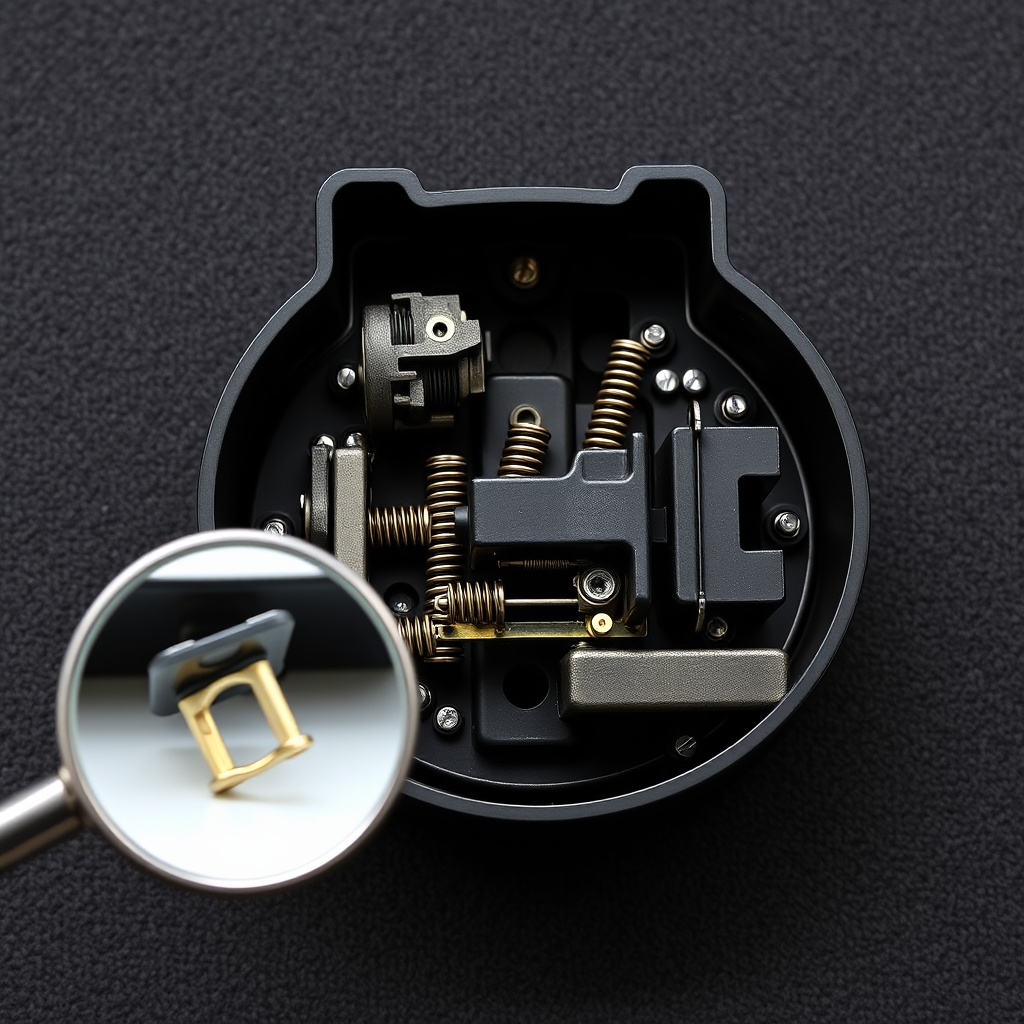
The hum is usually grounding-related. The TN Series often has a thin, unshielded cavity. Use copper tape to shield the cavity and ensure the bridge ground wire (usually soldered to the tremolo claw) is intact. If the block rattles, a thin foam pad under the backplate can dampen vibrations. The HSS configuration is particularly sensitive to this—read more in our GearTune TN Series Sound & Tone Analysis: Versatility of HSS Configuration.
What Owners Say
Community forums and gear review sites paint a consistent picture. Most owners agree the TN Series is a great platform for the price, but the tremolo system is its Achilles’ heel. A user on a popular gear forum wrote: “After swapping the block to a 200-gram steel one, my TN 100 stays in tune even after wild Jeff Beck-style vibrato. It’s a different guitar.” Another player noted: “The stock vibrato arm is too loose for my taste, but a pair of pliers and some tape fixed it. Still, I wish they’d include a better block from the factory.”
Negative reviews often mention the knife-edge wearing out within a year of heavy use, leading to a “bouncy” bridge that doesn’t return to zero. However, intermediate players who upgrade the block and adjust spring tension report satisfaction levels comparable to guitars costing twice as much. The consensus is that the TN Series is a diamond in the rough for those willing to invest $40–$70 in small upgrades.
Frequently Asked Questions
1. Can I use a Floyd Rose-style block on the GearTune TN Series?
No, not directly. The TN Series uses a 2-point vintage-style tremolo, and the mounting screw spacing differs from Floyd Rose blocks. Stick with blocks designed for standard 2-point bridges.
2. How do I know if my TN Series tremolo block is worn out?
Check for a wobbly bridge that doesn’t sit parallel to the body, or if the arm feels loose even after tightening. Visible grooves on the knife-edge are a clear sign.
3. Does upgrading the block void the warranty?
In most cases, no—the block is a user-replaceable part. However, altering the bridge plate or filing the knife-edge may void coverage during the warranty period.
4. What’s the best lubricant for the vibrato pivot points?
A small drop of lightweight machine oil (like 3-in-1) on the knife-edge contact points works well. Avoid grease, which attracts dust and gums up over time.
5. Why does my TN Series vibrato go sharp after a divebomb?
This is likely a nut binding issue, not the block. Ensure your nut slots are lubricated with graphite or a pencil lead, and that the strings move freely through the slots.
6. Can I install a locking vibrato system on the TN Series?
It’s possible but requires routing the body. A Floyd Rose Special or Gotoh 510 is a common upgrade for advanced players—check our GearTune TN Series Buying Guide: Best Options for Intermediate Players for routing templates.