Fender Player II Stratocaster Sound & Tone Analysis: Pickups and Versatility
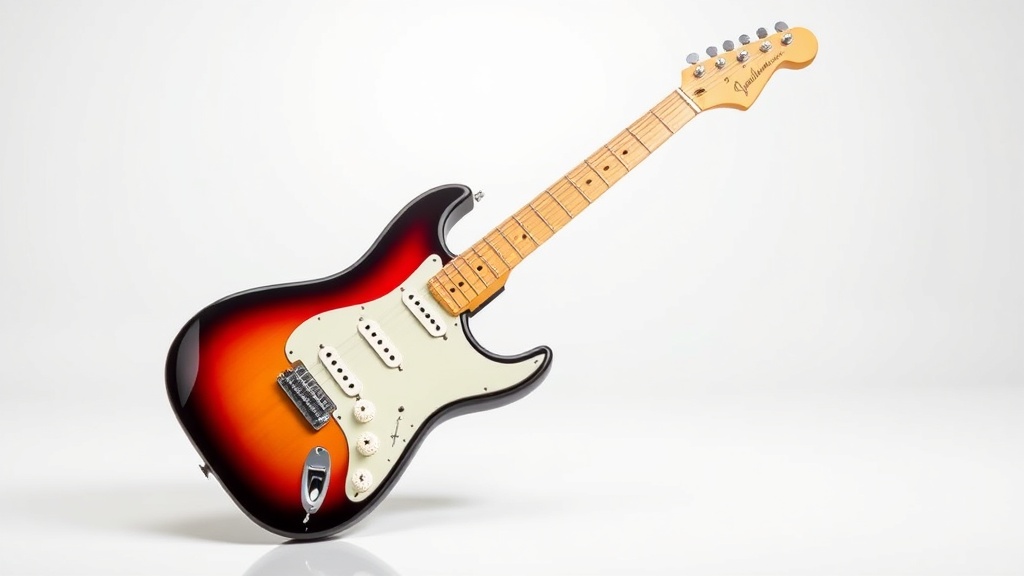
The Fender Player II Stratocaster has quickly become a go-to instrument for players seeking that classic Stratocaster voice without breaking the bank. This analysis digs into the pickups, tonal flexibility, and overall sound character, offering a practical perspective for gigging musicians and home recording enthusiasts alike.
How Do the Player II Pickups Compare to Classic American Strat Pickups?
The Player II Stratocaster uses a set of three Alnico V single-coil pickups, specifically a Player Series Alnico 5 Stratocaster set. Compared to American-made models like the American Professional II or American Ultra, the Player II pickups have slightly less output (around 5.6-5.8kΩ DC resistance) versus the V-Mod II pickups (6.0-6.2kΩ). This results in a cleaner, more open top end with a bit less midrange push. However, the Alnico V magnets still provide that signature chime and clarity—think early 60s Strat tones rather than the thicker, punchier late-60s spec. The lack of a notch position on the 5-way switch (no position 2 or 4 noise-cancelling) is a practical trade-off; players who rely on those quacky in-between tones will find them present but a bit less defined than on higher-tier models. For most modern rock, blues, or pop applications, the difference is marginal in a mix.
Verdict: The Player II pickups capture the quintessential Stratocaster sparkle with a slightly leaner, more vintage-voiced character. They clean up beautifully with volume roll-off, making them excellent for dynamic playing. While not as hot as boutique or modern voiced sets, they offer a balanced, articulate response that works well across genres.
How Does the 5-Way Pickup Selector Shape the Tone Options?
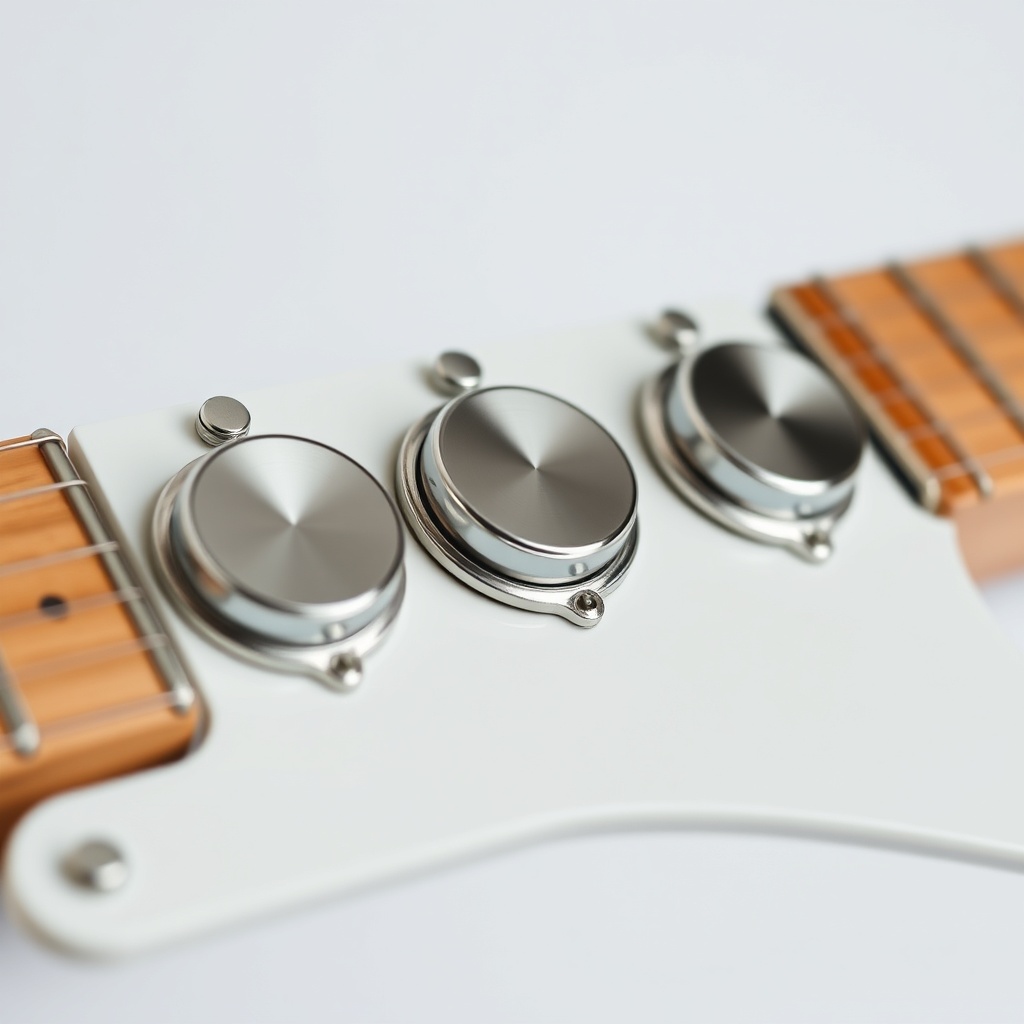
The Fender Player II Stratocaster features the standard 5-way selector switch, accessing positions: 1 (bridge), 2 (bridge + middle), 3 (middle), 4 (middle + neck), 5 (neck). The wiring is traditional Strat, no push-pull or extra switching. In practice, positions 1 and 5 produce the typical bridge bite (treble-focused, almost Tele-like snap) and neck warmth (round, vocal-like). Position 2 yields that iconic “quack” or “cluck” sound—slightly scooped midrange, perfect for funk or clean chord stabs. Position 4 is smoother, with a more rounded, hollow character excellent for rhythm playing. The middle pickup alone (position 3) is the least used for many, but it offers a sweet spot for soloing with a slight hum reduction when combined with the positions 2 or 4 (though not fully hum-cancelling).
One practical note: the selector switch is mounted on the pickguard, and the five positions are clearly marked and click firmly. The plastic tip is replaceable and standard. For players who want more exotic sounds (like bridge + neck or series wiring), aftermarket modifications are simple due to the straightforward cavity. But for most gigs, the 5-way covers everything from sparkling cleans to aggressive, edge-of-breakup overdrive.
What Are the Key Specifications of the Player II Pickups?
| Specification | Player II (Player Series Alnico 5) | American Professional II (V-Mod II) |
|---|---|---|
| Magnet Type | Alnico V | Alnico V (varied by position) |
| DC Resistance (bridge) | ~5.8kΩ | ~6.2kΩ |
| DC Resistance (middle) | ~5.6kΩ | ~6.0kΩ |
| DC Resistance (neck) | ~5.4kΩ | ~5.8kΩ |
| Inductance (bridge, approx.) | 2.2-2.5H | 2.5-2.8H |
| Output Level (relative) | Lower (vintage-voiced) | Medium (balanced) |
| Noise Cancelling | No (positions 2 & 4 only partial) | No |
| Wiring | Standard Strat (500k pots, 5-way) | Standard Strat (250k push-pull on tone 2) |
Note: The 500k pots on the Player II (volume, tone 1, tone 2) are a slight departure from typical Strat 250k pots, offering a bit more top-end brightness. This is a good match for the lower-output pickups, preserving clarity. In comparison, the American Pro II uses 250k pots for a mellower high end with hotter pickups.
How Does the Player II Handle Different Music Genres and Playing Styles?
The Player II Stratocaster’s tonal versatility makes it a strong contender for multi-genre work. In clean applications, it excels at pop, funk, and indie rock—positions 2 and 4 deliver that rhythmic percussiveness, while the neck pickup is warm enough for jazz-style chord melody. When pushed into overdrive from a tube amp (like a Fender Deluxe Reverb or Vox AC15), the pickups retain clarity; gain doesn’t turn muddy. For blues and classic rock, the bridge pickup with slight gain yields a biting attack that cuts through a mix, reminiscent of Eric Clapton’s early 70s tone. Heavier styles require help from pedals—the low output means less preamp hiss, but distortion pedals like a Boss DS-1 or Tube Screamer will need the gain turned up moderately. The midrange is not as pronounced as a humbucker-equipped guitar, so palm-muted chugging sounds thinner but can be compensated with EQ.
For fingerstyle players, the dynamic response is excellent—light fingerpicking yields bell-like tones, while aggressive strumming produces a slightly spongy compression. Slide guitar also benefits from the smooth neck pickup response. Overall, the Player II is a jack-of-all-trades, especially strong in clean and slightly crunchy territories, with enough flexibility to sound convincing in modern pop, country, and classic rock gigs.
What Are the Tradeoffs with the 6-Screw Tremolo and Tuning Stability?
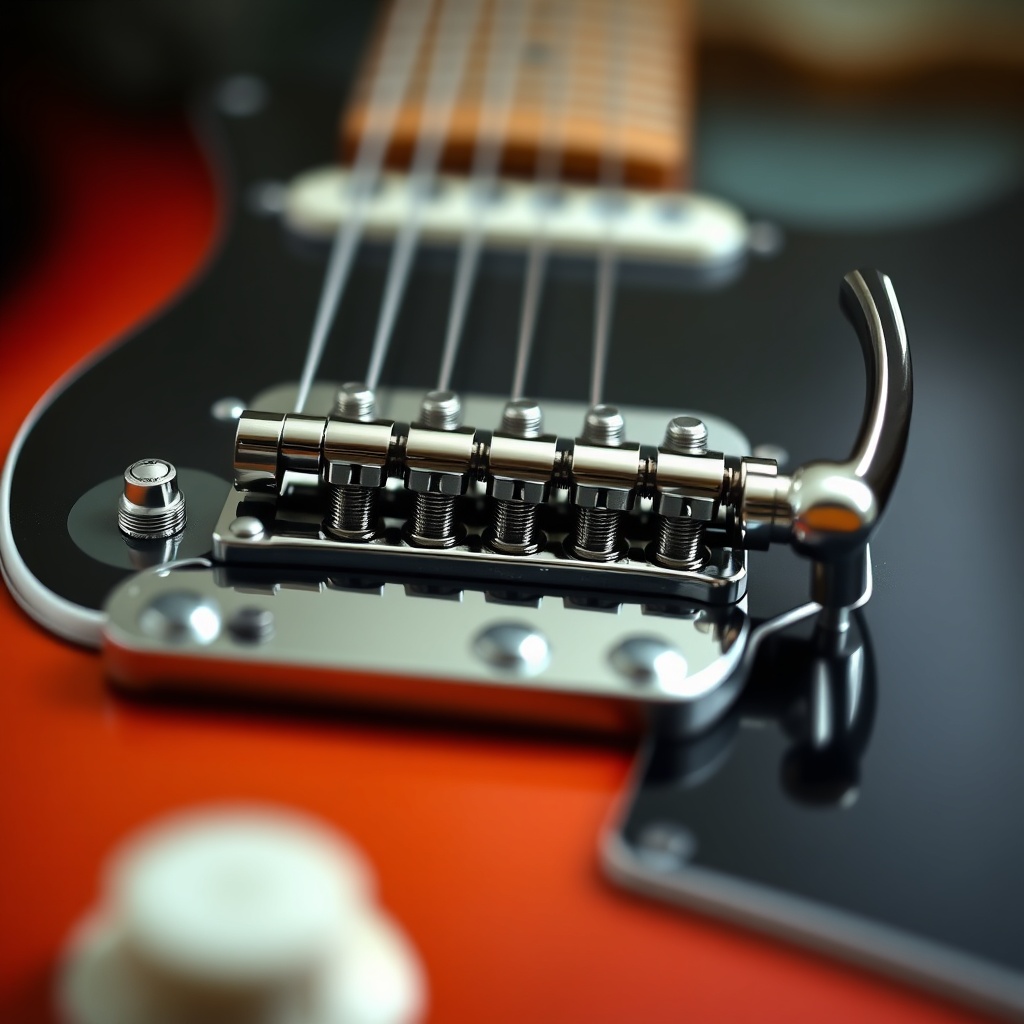
The Fender Player II features a vintage-style 6-screw synchronized tremolo with bent steel saddles. While it provides classic Stratocaster shimmer and pitch bends (up to about a half-step), it introduces some practical considerations. The friction from the six screws and the pivot plate design means tuning stability is acceptable but not flawless—heavy use of the bar can cause slight detuning, especially if the nut isn’t lubricated. On the upside, the trem block is solid steel, contributing to a bit more sustain than a cheap pot-metal block. The arm tension is adjustable via a small screw on the block. For players who rarely use the bar, it’s fine to just block it (a piece of wood or a Tremol-No works). For those who rely on Floyd Rose-level stability, this tremolo will require routine maintenance: stretching strings, applying nut lubricant, and ensuring the bridge is perfectly level after string changes.
Practical tip: Many users upgrade the saddles to steel or brass blocks for improved resonance, but the stock unit works well for subtle vibrato. The bent steel saddles also allow for easy string adjustment and intonation, though the screws can be sharp if the hand rests near them.
How Does the Pickup Sound Differ on the 9.5-Inch Radius Fretboard?
The fretboard radius on the Player II is 9.5 inches, a modern standard that balances comfort for chord work and bending. Tonally, the radius doesn’t directly change pickup sound, but it influences playability and intonation. A 9.5-inch radius is more curved than a 12- to 16-inch compound radius, meaning string bending near the higher frets can cause some fretting out (buzz) if the action is low. However, for the player, this translates to easier open chord fingerings and a more vintage feel. The pickups respond well to the slightly shorter scale (25.5 inches) and the maple or rosewood fingerboard choices—maple offers a bit more snap and brightness, while rosewood or pau ferro adds warmth and slightly less attack. Many players find the combination of Alnico V pickups and a 9.5-inch radius ideal for bending on the neck pickup, producing smooth, vocal-like leads.
Realistic example: On a clean setting with the neck pickup, you can get a sound akin to John Mayer’s early work—warm, with a slight midrange push from the pickguard resonance. The 9.5-inch radius facilitates comfortable vibrato and wide bends without excessive correction.
What Owners Say
- “I upgraded from a Squier Affinity to the Player II and the difference is night and day—the pickups are clearer, and the tremolo stays in tune much better. The bridge pickup has that classic quack, and with a bit of amp reverb, it’s perfect for indie stuff.” – User on GearPage
- “The Player II pickups are a bit low output for metal; I swapped the bridge for a Seymour Duncan SSL-5. But for blues and light rock, the stock ones are great. The neck pickup is especially smooth for clean jazz chords.” – Owner on Reverb
- “I was worried about the 6-screw trem but after a proper setup (lube the nut, balance the bridge), it holds tune well with gentle use. The sound is very ’60s Fender—bright but not harsh.” – Comment on Fender Forum
Frequently Asked Questions
- Q: Are the Player II pickups hum-cancelling?
A: No, they are standard single-coils. Positions 2 and 4 combine pickups but produce only partial hum reduction (about 50%). For silence, you’ll need a noise gate or a hum-cancelling replacement set. - Q: Can I use the Player II for high-gain metal?
A: Yes, with a pedal. The low-output pickups produce less preamp hiss than hot humbuckers, but you’ll need a boost or distortion pedal to drive the amp. The bridge pickup can be a bit thin for heavy palm-muting. - Q: How do the Player II pickups compare to the old Player Series (MIM 2018)?
A: The new Player II uses the same Player Series Alnico 5 pickups as the original Player Series. The difference is minor—they are essentially identical tonally. The Player II updates the neck and hardware, not the electronics. - Q: What amp settings work best with Player II Stratocaster?
A: For cleans, set your amp’s treble at 6, mids at 5, bass at 4. For blues/rock, push the mids to 7, treble 6, bass 5, and use the bridge or position 2. Bedroom players will enjoy the neck pickup with low gain and reverb. - Q: Does the pickguard material affect the tone?
A: In theory, the plastic pickguard (usually 3-ply white or black) affects resonance slightly. Some players claim a thin layer of copper foil can brighten the tone, but most won’t hear a difference. The installed pickguard is fine for stock use. - Q: Is the Player II Stratocaster worth upgrading to from a Squier Classic Vibe?
A: Yes, especially for the pickups and neck feel. The Player II’s Alnico V pickups have more clarity and less harshness than the Squier’s ceramic magnets. The smoother fretboard and better tremolo also justify the price difference (approx. $850 USD vs $450 USD).