What Makes the Gibson Les Paul Standard ’60s a Top Choice in 2024?
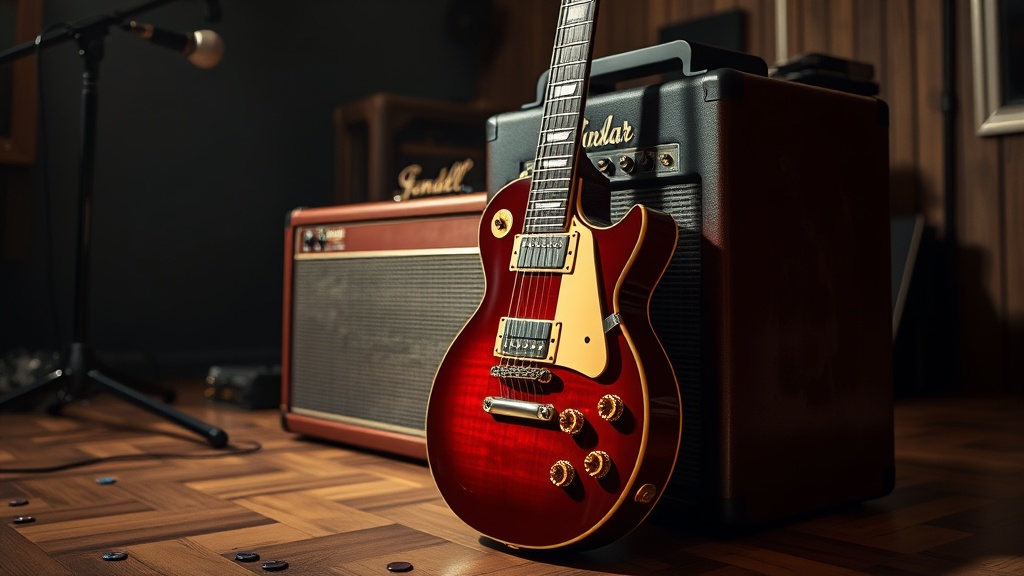
The Gibson Les Paul Standard ’60s remains a benchmark in the electric guitar world, blending vintage-inspired aesthetics with modern playability. In 2024, this model continues to attract both seasoned collectors and working musicians who demand a reliable, iconic instrument. Its slim taper neck profile and hot—but not overwound—Burstbucker pickups offer a distinct voice that cuts through any mix, making it a versatile tool for genres from blues to hard rock.

How Does the Neck Profile Affect Playability?
One of the defining characteristics of the Gibson Les Paul Standard ’60s is its slim taper neck profile. This contour is noticeably thinner than the chunky ’50s rounded profile, providing faster access to higher frets and reducing hand fatigue during long sessions. As detailed in our Gibson Les Paul Standard ’60s Build Quality: Neck Profile and Weight Relief review, the neck is carved from mahogany with a rosewood fingerboard and 22 medium-jumbo frets. The 12-inch radius makes bending strings feel comfortable and even across the fretboard, ideal for lead lines and aggressive vibrato. Many players find the slim taper helps with barre chords and fast chord progressions, though those with larger hands may prefer the ’50s profile for a fuller grip.
What Are the Key Hardware Specifications?
The 2024 Gibson Les Paul Standard ’60s comes with a robust hardware package designed for tuning stability and sustain. The table below outlines the essential specs:
| Component | Specification |
|---|---|
| Body | Solid mahogany with a maple cap (no weight relief) |
| Neck | Mahogany, Slim Taper profile |
| Fingerboard | Rosewood, 12-inch radius, 22 medium-jumbo frets |
| Pickups | Burstbucker 61R (neck) and Burstbucker 61T (bridge), Alnico V magnets |
| Bridge | ABR-1 Tune-O-Matic with titanium saddles |
| Tailpiece | Aluminum Stop Bar |
| Machine Heads | Grover Rotomatic with kidney buttons (18:1 ratio) |
| Electronics | Hand-wired with 500K CTS pots, orange drop capacitors |
| Weight | Approximately 3.7–4.0 kg (8.2–8.8 lbs) |
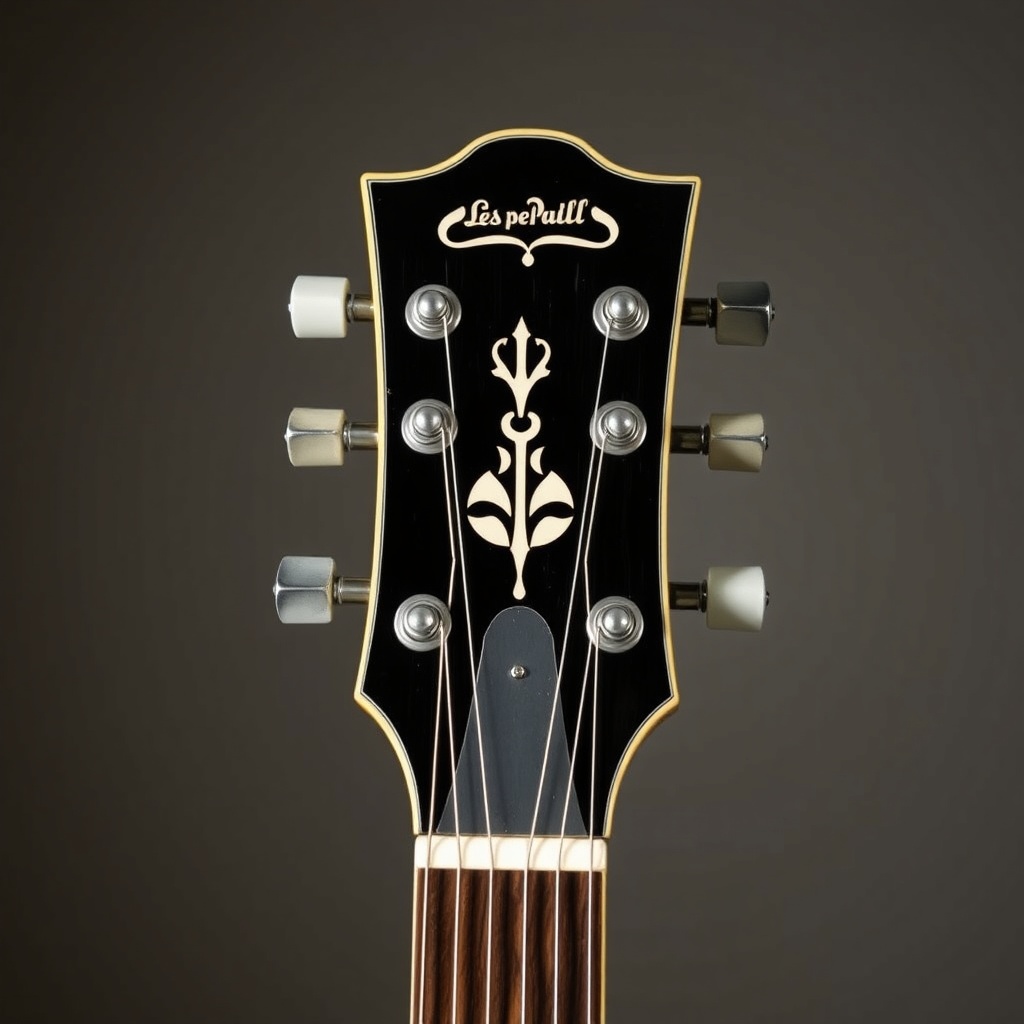
Grover tuners are standard, offering smooth and precise adjustments. The ABR-1 bridge with titanium saddles enhances note clarity and sustain, while the aluminum stop tailpiece adds resonance. Notably, Gibson has omitted weight relief in this model, preserving the classic, heavy Les Paul feel that many purists seek.
Why Does the Sound Profile Matter for Different Genres?
The Burstbucker 61 pickups are the heart of the Standard ’60s sonic identity. They produce a punchy, articulate tone with a slight midrange bump that suits hard rock and blues leads. As explored in our Gibson Les Paul Standard ’60s Sound & Tone Analysis: Pickups and Versatility in 2024, these pickups respond well to playing dynamics—lighter picking yields clean, glassy tones, while heavier attack produces saturated overdrive. The bridge pickup excels at aggressive riffing, while the neck pickup offers warm, rounded cleans ideal for jazz or fingerstyle. Phase-switching independent volume controls allow detailed tone shaping, enabling players to blend neck and bridge signals for unique textures. Compared to the ’50s model with Burstbucker 1 & 2 sets, the ’60s version delivers more output and slightly more upper-mid presence, making it a favorite for modern rock and metal.
How Does the Fit and Finish Hold Up?
Gibson’s quality control has improved steadily since 2019, and the Standard ’60s benefits from this focus. The nitrocellulose lacquer finish, available in Heritage Cherry Sunburst, Tobacco Burst, and Ebony, ages gracefully with the player’s wear. The binding on the neck and body is cleanly applied, with minimal overspray. However, as noted in our Gibson Les Paul Standard ’60s Common Issues: Tuning Stability and Finish Cracking, buyers should inspect for minor finish anomalies like slight checking or very fine cracks along the neck joint, which can occur due to humidity changes. Nut slotting is generally consistent, but some players prefer a professional setup for optimal string height and intonation. The fretwork is well-dressed in most units, but factory-fresh models may benefit from a light polish to remove any sharp edges.
What Owners Say About Their Gibson Les Paul Standard ’60s
Owner feedback across forums and retail reviews is largely positive, with an aggregated rating of 4.6 out of 5 stars. Common praise centers on the instrument’s resonance and sustain, with many noting that the lack of weight relief gives it a dense, “singing” quality. The slim neck receives mixed reactions—players with smaller hands love the speed, while larger-handed guitarists sometimes wish for more thickness. Tuning stability is generally solid after a proper string stretch, though a small minority report G-string issues that improve with a nut slot adjustment. Build quality is described as excellent, with rich grain patterns and minimal flaws. Some owners mention the price has increased to around £2,300 / €2,700 / $2,800 USD (street price) in 2024, making it a significant investment, but most feel the craftsmanship justifies the cost.
Frequently Asked Questions
1. Is the Gibson Les Paul Standard ’60s weight-relieved?
No, the 2024 Standard ’60s uses a solid mahogany body with no weight relief. It weighs between 3.7 and 4.0 kg (8.2–8.8 lbs), typical of a traditional Les Paul.
2. Can the Burstbucker 61 pickups handle high-gain metal?
Yes, the pickups have enough output and clarity for modern metal, though they are voiced more for classic rock. Many players pair them with an overdrive pedal for tighter high-gain tones.
3. What is the price of the Gibson Les Paul Standard ’60s in 2024?
Current street prices are approximately £2,300 in the UK, €2,700 in Europe, and $2,800 USD in the United States, with slight regional variations.
4. How does it compare to the ’50s Standard?
The ’60s model has a slimmer neck and higher-output Burstbucker 61 pickups, whereas the ’50s features a chunkier neck and slightly lower-output Burstbucker 1 & 2 pickups with a warmer tone.
5. Are the electronics hand-wired?
Yes, the Standard ’60s uses CTS 500K pots, orange drop capacitors, and hand-wired circuitry, ensuring reliable performance and easy modding.
6. What cases are included?
It comes with a black Gibson hardshell case with a plush pink interior, plus a Gibson owner’s manual and adjustment tools.