Gibson Les Paul Standard ’60s Sound & Tone Analysis: Pickups and Versatility in 2024
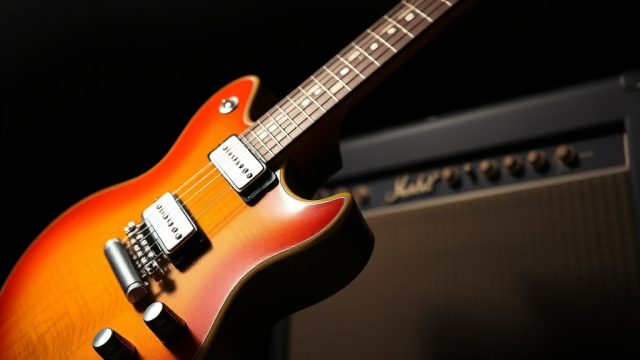
The Gibson Les Paul Standard ’60s remains a benchmark for electric guitar sound, offering a voice that bridges classic rock grit with modern clarity. In 2024, its Burstbucker pickups and nuanced control scheme continue to define the instrument’s sonic signature, making it a versatile tool for genres from blues to hard rock. This analysis delves into the pickup characteristics, tonal range, and practical versatility that keep this model at the forefront of professional and enthusiast rigs.
How Do the Burstbucker 61R and 61T Pickups Shape the Les Paul Standard ’60s Tone?
The Gibson Les Paul Standard ’60s is equipped with a Burstbucker 61 in the rhythm (neck) position and a Burstbucker 61 treble (bridge) pickup. These are Alnico V magnet humbuckers designed to recreate the sound of late-1950s/early-1960s PAF pickups, with a notable emphasis on midrange presence and dynamic response. As detailed in our Gibson Les Paul Standard ’60s Build Quality: Neck Profile and Weight Relief, the uncovered pickups contribute to a slight increase in high-frequency chime, while the balanced output (around 7.6kΩ for the rhythm, 8.2kΩ for the treble) ensures the two pickups blend seamlessly.
The neck pickup delivers a round, woody tone with pronounced lows and slightly scooped mids, ideal for jazz chords or creamy soloing. In contrast, the bridge pickup exhibits a tighter low end and aggressive upper-mid push, perfect for cutting through a dense mix. The tonal spread across the pickups allows for dynamic shifts with just a pickup selector change, offering a range that spans from warm, vocal-like sustain to a sharp, percussive attack.
Can the Les Paul Standard ’60s Deliver Clean and Crunch Tones Equally Well?
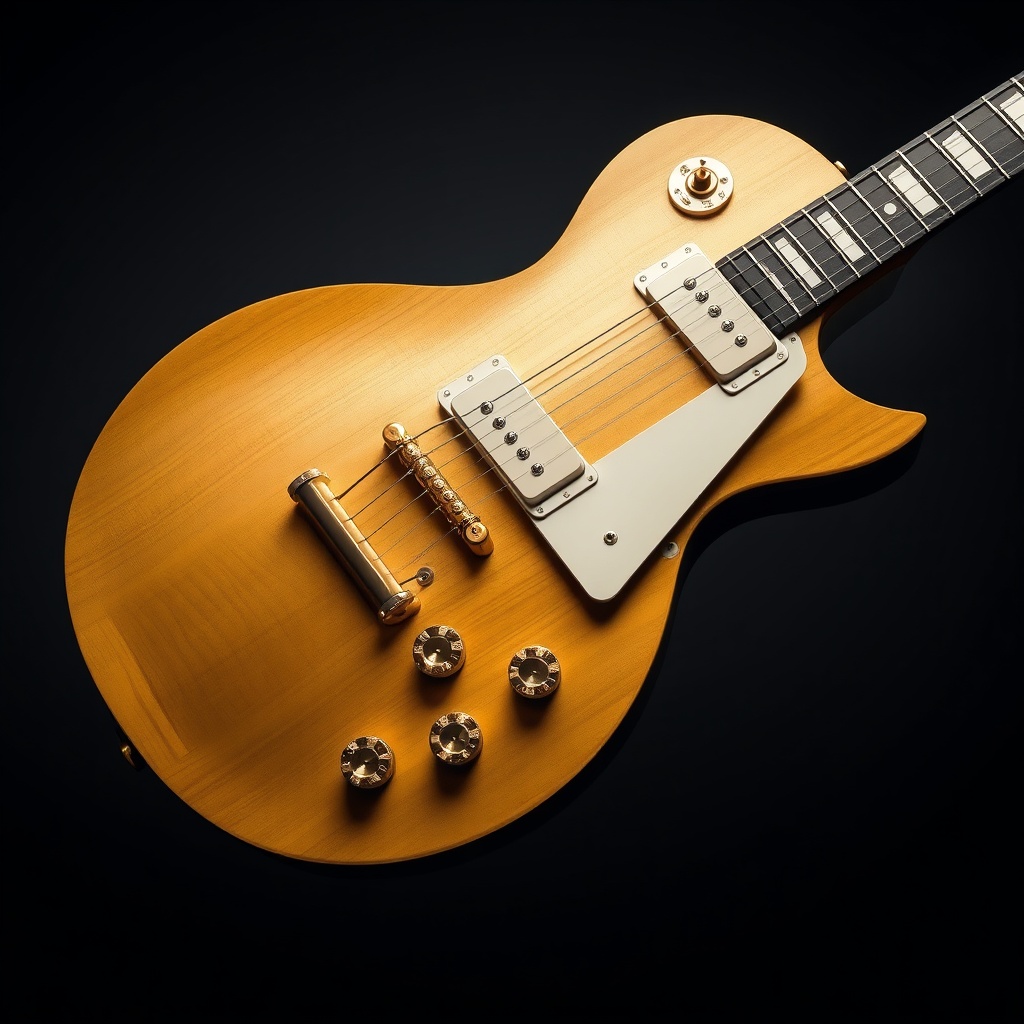
Yes, the Les Paul Standard ’60s exhibits remarkable versatility in clean and crunch contexts. With the volume and tone controls set at 10 (typical maximum), the guitar produces a clear, resonant clean tone through a Fender-style amplifier, retaining definition even with complex chord voicings. The Burstbucker’s lower DC resistance compared to higher-output pickups means the guitar remains responsive to picking dynamics; light strumming yields a bell-like shimmer, while harder attacks introduce a subtle, natural compression.
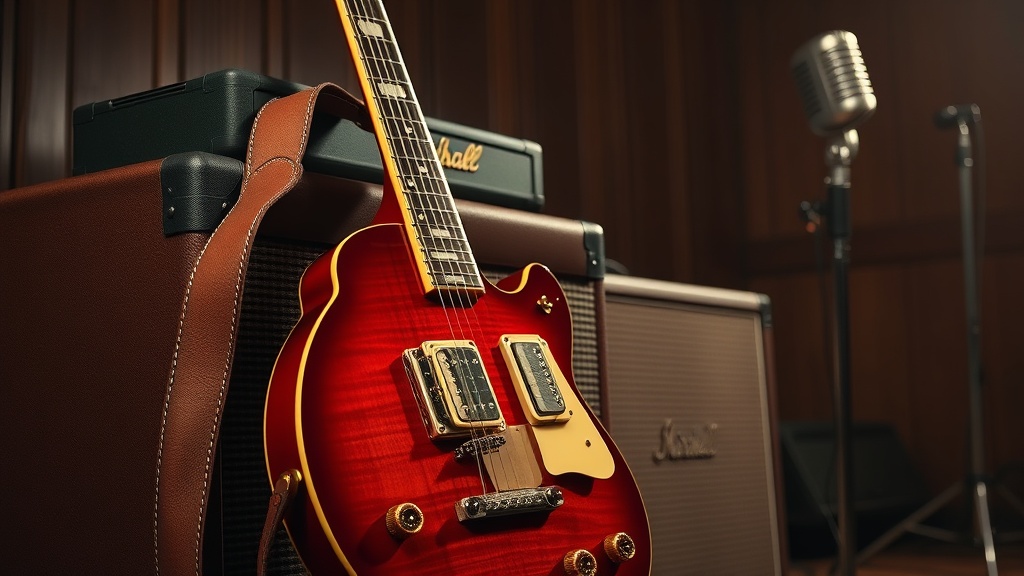
When driving an amplifier into crunch, the Standard ’60s shines thanks to its balanced midrange. The guitar’s mahogany body and maple cap—discussed in our Gibson Les Paul Standard ’60s Common Issues: Tuning Stability and Finish Cracking—contribute to a firm low end that prevents muddiness. Classic rock riffs through a Marshall stack will retain punch and clarity, while blues players can coax singing sustain by rolling back the bridge volume to 7-8. This duality makes the instrument effective for both pristine studio work and live rock aggression.
What Is the Role of the Volume and Tone Controls in Shaping the Sound?
The Les Paul Standard ’60s features independent volume and tone controls for each pickup, offering extensive shaping capabilities. The 300kΩ audio-taper pots (rather than the more common 500kΩ) provide a gradual treble roll-off, allowing players to dial in everything from a full-bodied crunch to a darker, jazz-oriented sound without abrupt frequency loss. For instance, setting the neck volume to 5 and tone to 7 produces a soft, vocal-like clip suitable for low-gain blues.
Notably, the control scheme also enables phase-opposition tricks when both pickups are selected. By rolling off one volume entirely, players can create out-of-phase tones that yield thin, hollow sounds reminiscent of classic 1960s recordings. This versatility is amplified by the tightness wire harness, which minimizes noise when adjusting controls during performance. For players seeking precise EQ sculpting, the “tone knob bypass” effect occurs when the tone control is at 10, offering a slight treble boost that many drive pedals respond favorably to.
| Setting | Pickup Position | Volume/Tone | Characteristic Tone | Suitable Genre |
|---|---|---|---|---|
| Clean | Neck | 10/10 | Warm, full, with defined lows | Jazz, Funk |
| Clean | Bridge | 10/7 | Bright, jangly with slight compression | Blues, Country |
| Crunch | Both | 8/8 | Chimey, with clear note separation | Classic Rock, Indie |
| Lead | Bridge | 10/10 | Aggressive, driving, with upper-mid snap | Hard Rock, Metal |
| Dark Clean | Neck | 5/4 | Mellow, percussive lows | Neo-Soul, Trip-hop |
How Does the Les Paul Standard ’60s Compare to Other Les Paul Models in 2024?
While the Les Paul Standard ’60s is a direct sibling to the Standard ’50s, its Burstbucker 61 pickups differ from the ’50s’ Burstbucker 1 and 2, which have slightly lower output and a more vintage-yet-compressed character. The ’60s model’s lower DC resistance (around 7.6kΩ/8.2kΩ versus ~8.4kΩ for the ’50s pickups) yields more top-end clarity and quicker attack. In contrast, the Les Paul Custom features high-output 490R/498T pickups, which push more gain but lose some of the Standard ’60s’ dynamic sensitivity.
Versus the Les Paul Standard ’60s’ premium sibling, the Standard ’60s Limited Edition with Custombuckers (Alnico III magnets) offers a sweeter, more harmonic complexity, but the Burstbuckers remain punchier for modern rock styles. The ’60s model’s slim taper neck (as covered in our build quality article) also influences sound by facilitating faster string bending, which increases dynamic expression.
What Owners Say: Real-World Sound Impressions from Players
Owner feedback across forums and review platforms consistently praises the Les Paul Standard ’60s for its vocal-like sustain and reliable performance across genres. One experienced player noted on a guitar forum, “The bridge pickup cuts through a live mix like a hot knife—perfect for leads in a three-piece.” Another owner emphasized clean tones: “With the neck pickup and a touch of reverb, it rivals a semi-hollow for jazz.” However, some players mention that the uncovered pickups can pick up radio interference near high-powered amps, though this is rare in typical studio settings. Overall, the versatility is highlighted: many owners report using the guitar for everything from fingerstyle blues to progressive metal with just a pedal change.
Frequently Asked Questions
1. Are the Burstbucker 61 pickups in the Gibson Les Paul Standard ’60s potted?
Yes, they are wax-potted to minimize microphonic feedback at high volumes, ensuring stable sustain even in high-gain scenarios.
2. Can you play modern metal with the Les Paul Standard ’60s?
Yes, with appropriate amp gain, the bridge pickup’s tight low end and sharp attack handle palm-muted riffs well, though high-output pickups may be preferred for extreme genres.
3. How does the weight relief affect the sound?
The standard weight relief (not ultra-modern) removes wood from the body’s wings, which slightly reduces low-end boom compared to a solid-body, but it enhances resonance and attack definition. Details are in our build quality article.
4. Do the tone controls affect the volume knob interaction?
Yes, rolling the tone control down slightly (e.g., to 7) reduces high frequencies without major volume loss, allowing for subtle EQ adjustments while playing.
5. What string gauge is recommended for optimal tone?
10-46 gauge strings typical; heavier strings (11-52) can enhance low-end thump but may require truss rod adjustments.
6. Is the Gibson Les Paul Standard ’60s available in left-handed models in 2024?
Yes, Gibson produces left-handed versions, though availability varies by region. The sound characteristics remain identical to the right-handed model.