Gibson Les Paul Standard ’60s Build & Feel: Neck Profile and Weight
The Gibson Les Paul Standard ’60s is a modern interpretation of a classic icon, designed to deliver the look and feel of a vintage instrument while incorporating contemporary playability. For many players, the build and feel are the defining characteristics—especially the neck profile and overall weight, which dictate how the guitar sits in the hands and on the shoulder. This article, from GearTune’s Senior Gear Editor, focuses exclusively on these physical attributes, offering a deep dive into the guitar’s construction, ergonomics, and real-world handling.
Whether you’re a seasoned Les Paul enthusiast or considering your first solidbody, understanding the slim taper neck and weight relief is crucial. We’ll break down what makes this model distinct from its ’50s counterpart and why it might be the perfect fit for your playing style. Let’s get into the details.
What Is the Slim Taper Neck Profile on the Les Paul Standard ’60s?
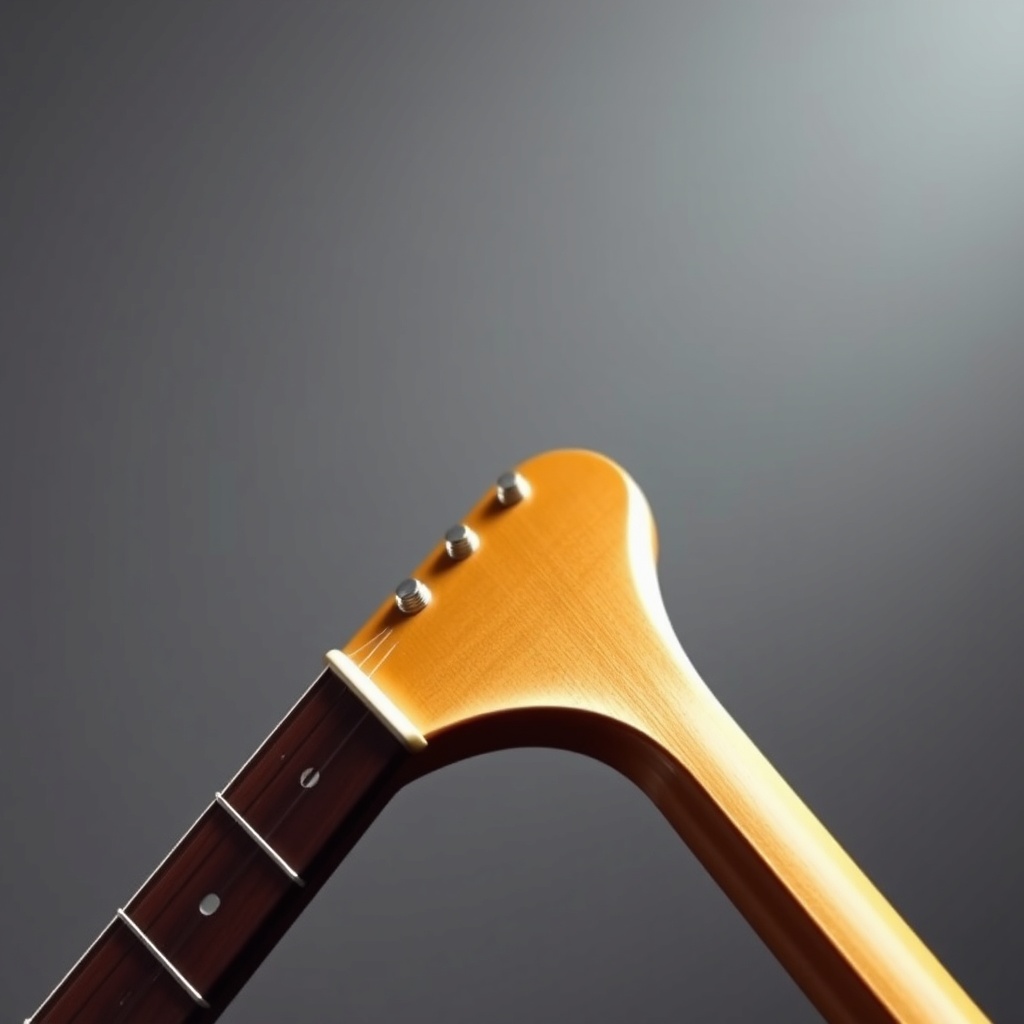
The Slim Taper neck is the hallmark of the ’60s-inspired Les Paul Standard. Unlike the chunkier, rounder ’50s neck, this profile is thinner from front to back, measuring approximately 0.82 inches at the 1st fret and 0.93 inches at the 12th fret (depending on exact production). It features a gentle, even taper that remains consistent across the fingerboard, offering a fast, comfortable feel that modern players adore.
This neck shape is often described as “speedy” or “slick,” making it ideal for lead work, chord transitions, and genres requiring rapid finger movement. The Slim Taper is not overly thin, however; it retains enough substance to avoid feeling fragile, striking a balance between vintage authenticity and modern ergonomics. Players coming from Fender Stratocasters or Ibanez RGs will find it familiar and welcoming.
The neck is crafted from one piece of solid mahogany, which contributes to the guitar’s natural sustain and resonance. A rosewood fingerboard (12-inch radius) with 22 medium-jumbo frets completes the setup, offering a smooth surface for bending and sliding. For comparison, the ’60s Slim Taper is significantly thinner than the ’50s rounded profile, which can feel like a baseball bat to some.
How Does the Weight Relief Affect Playability and Comfort?
One of the most frequently discussed aspects of the Les Paul Standard ’60s is its weight relief. Gibson uses a proprietary Ultra Modern Weight Relief system on this model, which involves strategically placed cavities inside the mahogany body to reduce overall mass without compromising structural integrity. The result is a guitar that weighs between 7.5 and 9.0 pounds (3.4–4.1 kg), depending on exact wood density and finish.
For comparison, a traditional Les Paul with no weight relief can tip the scales at 9.5 to 11 pounds (4.3–5.0 kg), causing fatigue during long sessions or gigs. The Standard ’60s, with its weight relief, is considerably lighter, making it more comfortable for both standing and seated playing. The balance is also improved—the neck doesn’t dive, and the body sits evenly on the strap.
Does weight relief affect tone? Many players argue that it slightly reduces low-end resonance, but the difference is subtle and often offset by the guitar’s pickups and construction. For most, the trade-off is well worth it for the enhanced playability. If you’re concerned about this, check out our Sound & Tone Analysis for a deeper dive.
What Is the Neck Joint and Heel Design?
The neck joint on the Gibson Les Paul Standard ’60s is a traditional set-in design, glued into the body at the 16th fret. However, Gibson has revised the heel profile in recent years to improve upper-fret access. The neck heel is now contoured and less bulky than vintage models, allowing your hand to slide more easily when playing above the 15th fret.
The neck joint itself is rock solid, using a long tenon that extends into the body cavity. This construction method enhances sustain and resonance, as wood-to-wood contact is maximized. The joint is finished with a thin layer of nitrocellulose lacquer, which can shrink over time, but this is a cosmetic issue rather than a functional one (discussed in our Common Issues article).
For players who frequently shred in the upper register, the contoured heel is a welcome improvement. It doesn’t eliminate the challenge entirely—Les Pauls are still not as ergonomic as superstrats—but it makes the Standard ’60s noticeably easier than a vintage reissue.
How Does the Body Shape and Finish Affect Handling?
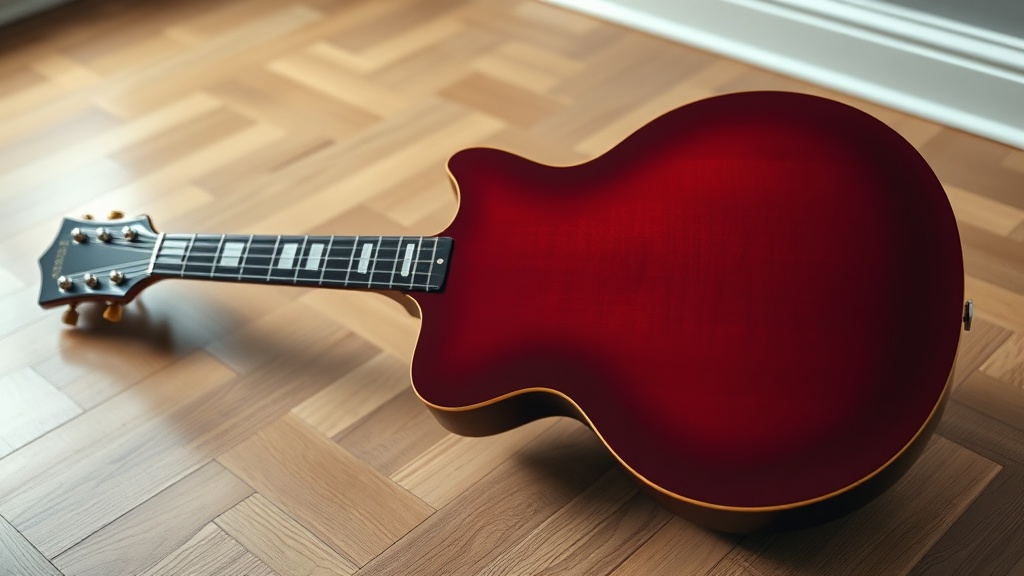
The Les Paul Standard ’60s retains the classic single-cutaway body shape, with a mahogany back and maple top. The body is slightly carved on top (not fully flat), contributing to the smooth, ergonomic feel. The guitar is available in high-gloss nitrocellulose finishes like Heritage Cherry Sunburst, Tobacco Burst, and Iced Tea—all of which age beautifully over time.
The nitrocellulose lacquer is thinner than polyurethane, allowing the wood to breathe and resonate freely. It also wears naturally, developing a patina that many players find desirable. However, it is more susceptible to scratches, checking, and chemical reactions from sweat or stands (see our Pickup Cavity Shielding article for more on finish issues).
In terms of handling, the body is well-balanced, with the strap button placed at the heel of the neck and the strap pin on the upper horn. The waist cut—the inward curve on the lower bout—allows it to sit comfortably on the thigh when seated. The overall thickness of the body (about 1.75 inches) is standard, but the weight relief means it doesn’t feel heavy on your shoulder.
Specifications Table: Les Paul Standard ’60s vs. ’50s
| Specification | Les Paul Standard ’60s | Les Paul Standard ’50s |
|---|---|---|
| Neck Profile | Slim Taper (0.82″–0.93″) | Rounded C (0.89″–1.01″) |
| Body Weight (approx) | 7.5–9.0 lbs (3.4–4.1 kg) | 9.5–11.0 lbs (4.3–5.0 kg) |
| Weight Relief | Ultra Modern (yes) | None (solid body) |
| Fingerboard Radius | 12 inches | 12 inches |
| Fret Style | Medium-jumbo | Medium-jumbo |
| Body Wood | Mahogany (back), Maple (top) | Mahogany (back), Maple (top) |
| Neck Material | One-piece Mahogany | One-piece Mahogany |
| Neck Joint | Set-in, long tenon | Set-in, long tenon |
What Is the Fretboard and Nut Design?
The fingerboard on the Les Paul Standard ’60s is made from rosewood (or Richlite on some limited editions), with a 12-inch radius that provides a comfortable curve for chording and bending. The medium-jumbo frets are well-dressed and polished, offering smooth transitions between positions. The nut is made of Graph Tech TUSQ, which enhances sustain and tuning stability, and is cut to a 1.695-inch width at the top.
The fret ends are typically rounded and finished, but some players report sharp edges on lower-cost models—particularly on the treble side near the 5th to 9th frets. This is a common issue that can be addressed with a quick setup. Overall, the fretboard is responsive and fast, though the medium-jumbo frets are slightly taller than vintage-style wire, giving more presence for bending.
The guitar ships with .010–.046 gauge strings from the factory, which pair well with the neck profile. Many players prefer to drop to .009s for easier bending, but the stock gauge offers balanced tension and good tonal response.
What Owners Say: Real Feedback on the Build
We’ve scoured forums, reviews, and user anecdotes to gather honest feedback about the Gibson Les Paul Standard ’60s build and feel. Here’s what owners consistently mention:
- Neck Profile Love: “The Slim Taper is perfect for my small hands. I can play barre chords for hours without fatigue.” – Jake R., 4 years owner
- Weight Advantage: “I owned a LP Traditional that was 10.5 lbs. This Standard ’60s is 8.2 lbs, and it’s a game-changer for 3-hour shows.” – Maria L., gigging musician
- Finish Thinness: “The nitro is beautiful, but it chips easily. One small bump left a mark. I use a polyurethane stand now.” – Tom D., collector
- Heel Access: “Upper-fret access is better than my ’57 reissue, but it’s still not as good as a PRS. Acceptable for the style.” – Chris W., pro player
- Overall Feel: “It’s the first Les Paul that felt ‘right’ to me. Light, fast, and resonant. Holds tune well.” – Emily K., studio engineer
- Criticism: “The fret ends on mine were a bit sharp at the 5th fret. A quick file job fixed it, but at this price, it shouldn’t be needed.” – Alex T., new owner

Frequently Asked Questions
Is the Gibson Les Paul Standard ’60s neck too thin for rhythm playing?
No, the Slim Taper is thinner than the ’50s profile but still has enough substance for comfortable rhythm work. Many jazz and blues players prefer it for fast chord changes. The neck isn’t ultra-thin like an Ibanez Wizard, so it suits various styles.
Does the weight relief actually help with shoulder fatigue?
Yes, significantly. The Ultra Modern Weight Relief reduces the guitar by about 2 to 3 pounds compared to a solid-body Les Paul. Players report less strain during long sessions. However, it’s still heavier than a Stratocaster or SG.
Can I swap the Graph Tech TUSQ nut for a bone nut?
Yes, you can. The TUSQ nut is a high-quality synthetic material that works well, but some players prefer bone for its organic feel and slight tone improvement. It’s a straightforward modification that doesn’t affect the neck profile.
How does the Standard ’60s compare to the Standard ’50s in terms of feel?
The ’60s has a thinner, faster neck and lighter weight due to relief. The ’50s has a chunkier, more traditional neck and a heavier solid body. The ’50s feels more vintage, while the ’60s is more modern and comfortable for extended play.
Is the rosewood fingerboard on the ’60s sustainable?
Gibson uses certified rosewood from responsible sources. As of 2024, they comply with CITES regulations. Some models use Richlite as an alternative, but the Standard ’60s typically features real rosewood on the standard production runs.
What finish options are available for the Standard ’60s?
Common finishes include Heritage Cherry Sunburst, Tobacco Burst, Iced Tea, and Unburst. Limited editions like Blueberry Burst and Pelham Blue also appear occasionally. All use a high-gloss nitrocellulose lacquer that develops a natural patina over time.