Introduction
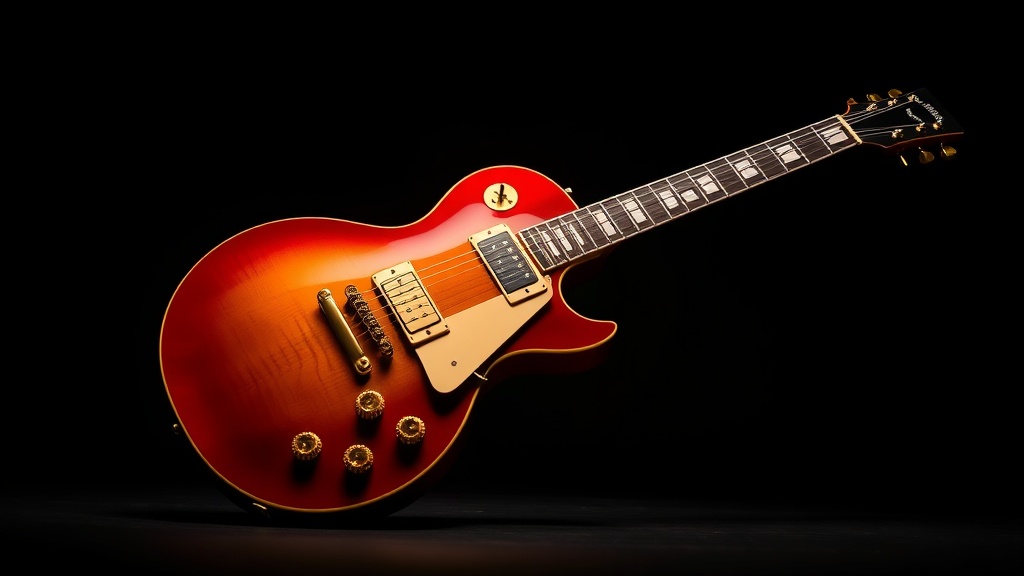
The Gibson Les Paul Standard ’60s remains a cornerstone of electric guitar design, revered for its sonic versatility and robust tonal character. In 2024, this model continues to captivate players with its distinct voice, rooted in the legendary combination of a mahogany body, maple top, and the acclaimed Burstbucker pickups. This analysis dives into the sound and tone profile of the ’60s Standard, examining its pickups, versatility across genres, and real-world performance.
What Are the Key Specifications of the Gibson Les Paul Standard ’60s Pickups?
The Gibson Les Paul Standard ’60s is equipped with a pair of Burstbucker 61T (bridge) and Burstbucker 61R (neck) humbuckers, each with an Alnico 5 magnet. The bridge pickup is calibrated for higher output—around 8.2 kΩ DC resistance—and a slightly overwound coil, yielding a sharp, articulate treble response with a punchy midrange. The neck pickup registers approximately 7.5 kΩ, offering a warmer, rounder tone with enhanced low-end clarity. Both pickups are wax-potted to minimize microphonic feedback, even at high gain levels. The controls include two volume knobs, two tone knobs (with 500k potentiometers and orange drop capacitors), and a three-way switch, allowing for precise tonal shaping.
| Pickup | Type | DC Resistance (kΩ) | Magnet | Output Level | Tonal Character |
|---|---|---|---|---|---|
| Burstbucker 61T (Bridge) | Humbucker | ~8.2 | Alnico 5 | High | Bright, punchy, articulate |
| Burstbucker 61R (Neck) | Humbucker | ~7.5 | Alnico 5 | Medium | Warm, round, smooth |
| Overall System | Pair | N/A | Alnico 5 | Versatile | Dynamic range, clear highs |
The Burstbucker pair is designed to replicate the PAF sound of the late 1950s, but with improved consistency and modern reliability. For a deeper dive into the neck profile and weight relief, see our Gibson Les Paul Standard ’60s Build Quality: Neck Profile and Weight Relief.
How Does the Gibson Les Paul Standard ’60s Handle Clean Tones?
At clean settings, the ’60s Standard delivers a full-bodied, bell-like clarity that is reminiscent of classic rock and blues records. The neck pickup produces a rich, liquid clean tone with pronounced lows and a smooth midrange, ideal for jazz chords or fingerstyle playing. Rolling back the volume knob on the bridge pickup yields a semi-clean sound with a gritty edge, mimicking a slightly overdriven amplifier. The guitar’s 24.75-inch scale length and mahogany body contribute to a slightly warmer, less bright clean than a Fender Stratocaster, but with more sustain and harmonic complexity. The tone knobs allow players to cut treble gradually, transitioning from sparkling cleans to warmer, more mellow sounds without losing note definition. In practice, the clean channel of a Fender twin reverb or a Vox AC30 complements the ’60s Standard’s clean tones, producing a creamy, articulate sound that cuts through a mix.
What Is the Overdrive and Distortion Capability of the Gibson Les Paul Standard ’60s?
With gain applied, the Burstbucker 61T bridge pickup shines as a leading force for rock and metal riffing. The Alnico 5 magnet contributes to a tight, punchy low-end that remains articulate even under high distortion. When played through a Marshall JCM800 or a Mesa Boogie Dual Rectifier, the ’60s Standard produces aggressive, saturated tones with plenty of midrange cut—perfect for hard rock solos and chugging rhythms. The neck pickup, with its lower output, offers a smoother distortion that works well for lead passages and vintage hard rock. Rolling both pickups together via the three-way switch yields a thick, quasi-bass-heavy sound that is favored by many classic rock players. The guitar’s sustain is enhanced due to the set-neck construction and the TOM bridge, allowing notes to ring out indefinitely under gain. However, players seeking extreme metal tones might prefer a high-output active pickup system, as the Burstbuckers are passive and focus more on dynamic touch than sheer compression. For common issues related to tuning stability, check our Gibson Les Paul Standard ’60s Common Issues: Tuning Stability and Finish Cracking.
How Versatile Is the Gibson Les Paul Standard ’60s Across Music Genres?
The Gibson Les Paul Standard ’60s offers remarkable versatility, bridging classic rock, blues, jazz, punk, and even modern indie rock. In blues settings, the neck pickup produces a sweet, vocal-like tone suitable for bending and vibrato. For jazz, the combination of the neck pickup with tone rolled back yields a warm, round sound that complements hollow-body guitars. In punk and hard rock, the bridge pickup provides enough edge to cut through a mix without excessive harshness. The guitar can handle genres like math rock or alternative with its dynamic range; switching between clean and overdrive by adjusting volume knobs is seamless. However, it is not ideal for genres that require exclusively single-coil sounds (e.g., surf rock or country), though coil-splitting can be installed aftermarket. The ’60s Standard’s weight might also tire players during long gigs; it weighs around 9.5 pounds (4.3 kg) without weight relief, making it heavier than some modern solidbodies. Despite this, its tonal flexibility makes it a reliable workhorse in many studios and stages.
What Do Owners Say About the Gibson Les Paul Standard ’60s Sound?
Owners consistently praise the ’60s Standard for its dynamic pickups and classic tone. Many describe the neck pickup as “buttery” and “smooth,” while the bridge pickup is often called “snappy” and “pushed.” Players appreciate the guitar’s ability to produce a wide range of sounds without needing many pedals, relying on volume and tone knob interaction. One recurring sentiment is that the Burstbucker pair lacks the “ice-pick” treble of some higher-output humbuckers, making it more musical for clean settings. Some users note that the bridge pickup can be slightly bright when used with overly trebly amps, but this is easily remedied with the tone control. Another common observation is the guitar’s sustain: it sustains longer than comparable models like the S-style or T-style guitars. However, a minority of owners mention the lack of weight relief as a minor factor affecting comfort during long sessions. Overall, the consensus is that the ’60s Standard delivers an authentic, vintage-inspired sound that justifies its premium price point of approximately £2,299 in the UK or €2,399 in Europe.

Frequently Asked Questions
Q1: Are the Burstbucker pickups in the Gibson Les Paul Standard ’60s suitable for high-gain music?
Yes, they handle high gain well, producing tight bass and clear treble, though they lack the compression of active pickups ideal for modern metal.
Q2: Can I coil-split the pickups on the Gibson Les Paul Standard ’60s?
The Standard ’60s does not come with coil-splitting from the factory. Aftermarket installation is possible and can expand tonal versatility.
Q3: How does the Gibson Les Paul Standard ’60s compare to the Standard ’50s in tone?
The ’60s has brighter, punchier pickups (Burstbucker 61s) compared to the ’50s’ Burstbucker 2 and 3, which are warmer and softer.
Q4: What amp pairs best with the Gibson Les Paul Standard ’60s for classic rock?
A Marshall JCM800 or a Fender Bassman works excellently, enhancing the guitar’s midrange and dynamic response.
Q5: Is the Gibson Les Paul Standard ’60s good for recording?
Yes, its balanced tone and low noise floor make it a top choice for studio work across genres from blues to rock.
Q6: What strings are recommended for the Gibson Les Paul Standard ’60s?
Standard 10-46 gauge strings are factory-loaded, offering a good balance of playability and tone.