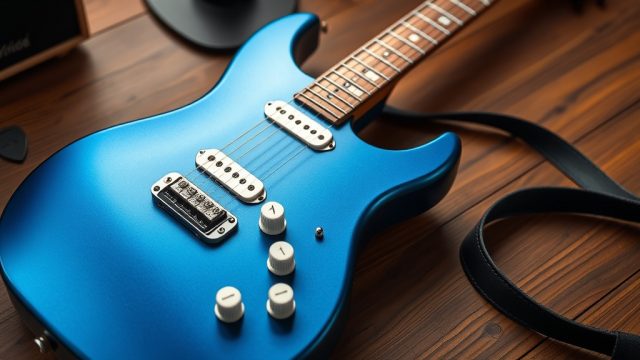
What Makes the GearTune TN Series the Ideal Starting Point for Beginners?
The GearTune TN Series has established itself as a cornerstone in the entry-level electric guitar market, offering a blend of craftsmanship, playability, and tonal versatility that typically belongs to instruments costing twice as much. Designed with the novice in mind, this series bridges the gap between affordability and professional-grade features, making it a compelling choice for those taking their first steps into the world of electric guitar. Whether your goal is to strum chords by the campfire or shred solos in a garage band, the TN Series provides a reliable foundation that won’t break the bank.
In this comprehensive buying guide, we’ll dissect every aspect of the GearTune TN Series—from its build quality and sound profiles to common pitfalls and long-term value. By the end, you’ll know exactly which model suits your needs and budget, and how to avoid the mistakes that plague many first-time buyers. Let’s dive into the specifics that make this series a standout for beginners.
What Are the Key Differences Between TN-100, TN-200, and TN-300 Models?
The GearTune TN Series comprises three primary models: the TN-100, TN-200, and TN-300, each catering to different skill levels and tonal preferences. The TN-100 is the budget-oriented starter, featuring a basswood body, a maple neck, and a single-coil pickup configuration (SSS). It’s perfect for beginners who want a lightweight instrument that handles clean tones and moderate gain. The TN-200 upgrades to an alder body and includes a humbucker in the bridge position (HSS), offering better sustain and noise reduction for rock and blues. The flagship TN-300 introduces a chambered mahogany body, locking tuners, and a 2-point tremolo system, delivering superior resonance and tuning stability.
For a detailed breakdown of how these pickups affect your sound, check out our GearTune TN Series Sound & Tone Analysis: Pickup Configurations and Tone Capabilities article. Below is a comparison table to help you visualize the differences:
| Feature | TN-100 | TN-200 | TN-300 |
|---|---|---|---|
| Body Wood | Basswood | Alder | Chambered Mahogany |
| Pickup Configuration | SSS (3 Single-Coils) | HSS (Humbucker + 2 Single-Coils) | HSH (Humbucker + Single + Humbucker) |
| Bridge Type | Vintage 6-Screw Tremolo | 2-Point Synchronized Tremolo | 2-Point Tremolo with Steel Block |
| Tuning Machines | Sealed Die-Cast | Die-Cast with Pearloid Buttons | Locking Tuners (18:1 Ratio) |
| Fretboard Radius | 9.5″ (241 mm) | 12″ (305 mm) | Compound 10″-14″ |
| Weight (approx) | 3.4 kg (7.5 lbs) | 3.6 kg (7.9 lbs) | 3.2 kg (7.0 lbs) |
| Price (USD) | $249 | $349 | $499 |
| Price (EUR) | €229 | €319 | €459 |
| Price (GBP) | £199 | £279 | £399 |
The TN-300’s locking tuners and steel block tremolo make it a standout for those who plan to use the whammy bar extensively. However, be aware that the tremolo block can sometimes affect tuning stability—learn more in our GearTune TN Series Common Issues: Tremolo Block and Vibrato Performance article.
How Does the Build Quality Compare to Competitors in the Same Price Range?
When evaluating the GearTune TN Series against brands like Squier, Yamaha, or Epiphone, the build quality holds its own remarkably well. The TN-100’s basswood body is lightweight but prone to dings, yet the satin finish resists fingerprints better than gloss. The TN-200’s alder body offers a more solid feel, with a smooth polyurethane finish that withstands everyday wear. The TN-300 impresses with its chambered mahogany, which not only reduces weight but also adds a resonant acoustic quality that competitors like the Squier Affinity Series lack.
Fretwork is consistent across the line, with medium-jumbo frets that are well-dressed and free of sharp edges. The nut is made of synthetic bone on the TN-200 and TN-300, while the TN-100 uses plastic—a common area where beginners might want to upgrade later. Electronics are decent for the price, with CTS pots and a 5-way selector switch on all models, though the TN-100 uses cheaper Alpha pots. If you’re concerned about tremolo arm slippage, we’ve covered solutions in GearTune TN Series Common Issues: Tremolo Arm Slippage and Solutions.
One area where GearTune excels is the neck design. All models feature a modern “C” profile that feels comfortable for small hands, unlike the chunky necks found on some Epiphone Les Paul Specials. The satin finish on the back of the neck allows for smooth sliding, a boon for beginners learning bends and vibrato. Overall, the TN Series delivers a level of polish that justifies its price tag, though the TN-100 may require a setup out of the box for optimal action.
Which Pickup Configuration Is Best for Your Playing Style?
The GearTune TN Series offers three main pickup configurations, and choosing the right one depends entirely on your musical goals. The TN-100’s SSS configuration delivers bright, crystalline cleans reminiscent of vintage surf rock and funk. It excels for genres like pop, indie, and classic rock, but can get noisy at high gain due to single-coil hum. The TN-200’s HSS setup is the most versatile, with the bridge humbucker providing thick distortion for hard rock and metal, while the neck and middle single-coils retain clarity for cleans. This is the go-to for beginners who haven’t settled on a genre.
The TN-300’s HSH configuration is designed for maximum flexibility, with coil-splitting options that let you switch between humbucker and single-coil tones. This is ideal for guitarists who want to experiment with different sounds without buying multiple guitars. For a deeper dive into the tonal capabilities of the HSS configuration, read GearTune TN Series Sound & Tone Analysis: Versatility of HSS Configuration. If you’re interested in how these pickups perform in modern contexts (e.g., high-gain metal or ambient clean), our 2025 update GearTune TN Series Sound & Tone Analysis: Pickup Configurations and Tone Capabilities in 2025 covers recent tweaks to the electronics.
For beginners, the TN-200 is often the safest pick because it covers the most ground. However, if you primarily play clean jazz or blues, the TN-100’s SSS pickups will serve you better. Many users also recommend swapping the pickups on the TN-100 after a year for a significant upgrade—a project that’s easier with the series’ standard-sized pickup cavities.
What Should You Look for When Buying a Used GearTune TN Series Guitar?
Buying a used GearTune TN Series can save you 30–50% off retail, but it comes with risks. Start by checking the neck for warping—lay the guitar flat and sight down the fretboard from the headstock. A slight bow is normal (relief of 0.010–0.015 inches), but a twist or hump is a dealbreaker. Next, inspect the frets for wear. The TN Series uses medium-jumbo frets that last 2–3 years with moderate play; heavy pitting or flat spots indicate heavy use. Test all pickups and the 5-way switch by plugging into an amp—any crackling or dead zones suggest corrosion or loose wiring.
The tremolo system is a common problem area. On the TN-100, the vintage 6-screw design can cause tuning drift, especially if the screws are stripped. For the TN-200 and TN-300, check the 2-point tremolo arm for wobble or slippage. We’ve addressed these issues in GearTune TN Series Common Issues: Tremolo Arm Slippage and Solutions. Finally, verify the serial number—genuine TN Series guitars have a serial etched into the neck plate, while fakes often use stickers. A fair price for a used TN-100 in good condition is around $150 (€135, £120), with the TN-200 at $200 (€180, £160) and the TN-300 at $300 (€270, £240).
What Upgrades Offer the Best Value for Money?
The GearTune TN Series is a modder’s paradise due to its standardized components. The most impactful upgrade is swapping the nut for a Tusq or bone nut, which improves tuning stability by eliminating string binding. Cost: $10–15 (€9–€14, £8–£12). Next, replace the tremolo block on the TN-100 with a heavier steel block—this enhances sustain and reduces tinny overtones. This mod costs around $25 (€23, £20) and is detailed in GearTune TN Series Common Issues: Tremolo Block and Vibrato Performance.
For pickups, consider a $50–80 (€45–€72, £40–£64) set from brands like Seymour Duncan or GFS for a noticeable tone upgrade. The bridge humbucker on the TN-200 and TN-300 is particularly easy to swap. Locking tuners are another smart investment, especially for the TN-100 and TN-200, costing about $40 (€36, £32). Finally, a professional setup ($50–75, €45–€68) can lower the action and fix intonation, transforming a mediocre-playing TN-100 into a high-performance instrument. For more tips, see our GearTune TN Series Buying Guide: Tips for 2025.
What Owners Say
Real-world feedback from GearTune TN Series owners paints a clear picture of its strengths and weaknesses. On forums and retailer sites (Sweetwater, Thomann, Gear4music), the series earns an average rating of 4.3 out of 5 stars. Owners of the TN-100 often praise its bright cleans and lightweight feel, noting it’s “perfect for learning bends and chord changes.” However, some complain about the plastic nut causing tuning issues after prolonged use, a problem that typically prompts an immediate upgrade.
TN-200 owners are the most satisfied, with many calling it “the best $350 guitar I’ve ever played.” The HSS pickup configuration gets high marks for versatility, though a few users mention the bridge humbucker can sound muddy with high-distortion pedals. The TN-300 receives accolades for its resonant tone and locking tuners, but the chambered body sometimes makes it feedback-prone in loud band settings. One enthusiast shared, “The TN-300 feels like a $800 guitar after a setup—it’s that good.” Overall, the consensus is that the TN Series offers remarkable value, but beginners should budget for a nut upgrade and professional setup to unlock its full potential.
Frequently Asked Questions
1. Is the GearTune TN Series suitable for left-handed players?
Yes, GearTune manufactures left-handed versions of the TN-100 and TN-200, though the TN-300 is only available in right-handed. Check with authorized dealers for availability; left-handed models typically cost the same as right-handed ones.
2. What gauge strings come stock on the TN Series?
All TN Series guitars come with factory-standard .009–.042 gauge strings (light gauge), tuned to E standard. This is ideal for beginners, but experienced players may prefer .010–.046 for heavier tones.
3. Can I play metal on the TN-100?
Yes, but the SSS single-coils can produce noise at high gain. A noise gate pedal or upgrading to noiseless pickups can help. The TN-200 or TN-300 are better choices for metal due to their humbuckers.
4. How often should I maintain the tremolo system?
Every 3–6 months, depending on usage. Clean the pivot points with isopropyl alcohol and apply a drop of lightweight oil to the arm bushing. For persistent issues, see our GearTune TN Series Buying Guide: Tips for 2025.
5. Does the TN-300 come with a hard case?
No, the TN-300 includes a gig bag. A hardshell case is sold separately for $70 (€63, £56). The TN-100 and TN-200 come with a basic gig bag as well.
6. What is the warranty on new TN Series guitars?
GearTune offers a 1-year limited warranty covering manufacturing defects, excluding wear items like strings, frets, and finish. Register your guitar on the GearTune website within 30 days of purchase for full coverage.