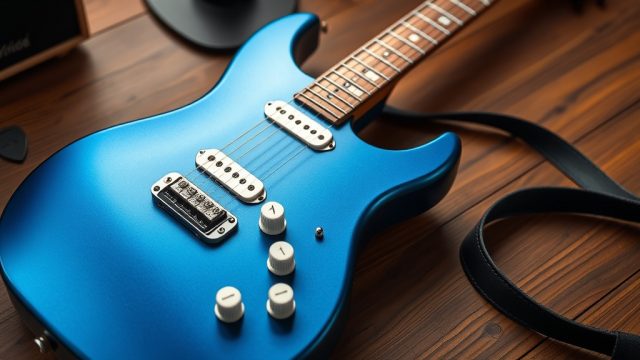
GearTune TN Series Buying Guide: Tips for 2025
The GearTune TN Series has emerged as a compelling option for guitarists seeking a versatile, budget-friendly instrument that doesn’t sacrifice quality. As we move through 2025, this series continues to offer a blend of classic design cues, modern playability, and reliable components that make it a strong contender in the entry-level to intermediate market. Whether you are a beginner picking up a guitar for the first time or a seasoned player looking for a dependable backup, this guide will help you navigate the lineup and make an informed purchase.
What Are the Key Differences Between the TN-100, TN-200, and TN-300 Models?
The GearTune TN Series is typically divided into three primary tiers: the TN-100, TN-200, and TN-300. Understanding the distinctions between these models is crucial to finding the right guitar for your needs and budget. The core architecture remains consistent across the series—double-cutaway alder bodies, bolt-on maple necks, and rosewood fingerboards—but the specifications diverge significantly in hardware and electronics.
The TN-100 serves as the baseline model, featuring ceramic pickups, a standard synchronous tremolo bridge, and chrome-plated hardware. It is designed for the absolute beginner, offering a functional, playable instrument that covers the basics without frills. The TN-200 marks a notable upgrade, swapping ceramic pickups for Alnico V single-coils, which provide warmer, more articulate cleans and a smoother overdrive response. It also typically includes sealed die-cast tuning machines for improved tuning stability.
The TN-300 is the flagship of the series. It incorporates a 2-point synchronised tremolo bridge, which offers smoother operation and better sustain compared to the 6-screw design found on the lower models. The pickups are upgraded to Alnico V split-coil designs that can be voiced in humbucking mode via a push-pull switch, dramatically expanding tonal versatility. Additionally, the TN-300 often features a satin-finished neck for a faster, more comfortable feel, and locking tuners as standard equipment.
To visualise these differences, examine the comparison table below:
| Feature | GearTune TN-100 | GearTune TN-200 | GearTune TN-300 |
|---|---|---|---|
| Body Wood | Alder (poplar on select colourways) | Alder | Alder |
| Neck Finish | Gloss Polyurethane | Gloss Polyurethane | Satin Urethane |
| Pickups | Ceramic Single-Coils (x3) | Alnico V Single-Coils (x3) | Alnico V Split-Coil (HSH) |
| Bridge | 6-Screw Synchronised Tremolo | 6-Screw Synchronised Tremolo | 2-Point Synchronised Tremolo |
| Tuning Machines | Standard Enclosed Die-Cast | Sealed Die-Cast (Split Post) | Locking (Vintage-Style) |
| Switching | 5-Way Blade (Standard SSS) | 5-Way Blade (Standard SSS) | 5-Way Blade + Push-Pull (HSS / HSH) |
| Price (Approx. GBP) | £179 – £199 | £269 – £299 | £399 – £449 |
| Weight (Approx.) | 3.4 kg (7.5 lbs) | 3.5 kg (7.7 lbs) | 3.6 kg (7.9 lbs) |
How Does the Build Quality Compare to Other Budget Brands Like Squier or Yamaha?
One of the most frequent questions from potential buyers is how the GearTune TN Series stacks up against established competitors such as the Squier Affinity Series or the Yamaha Pacifica line. In the crowded sub-£500 market, build quality, fit, and finish are decisive factors. The GearTune TN Series, particularly from the TN-200 upward, demonstrates impressive attention to detail for its price point.
We have previously compared the TN series directly in our GearTune TN Series Comparison: vs Squier Affinity Series article. That analysis noted that the TN-200 and TN-300 often feature smoother fret edges and less visible neck pocket gaps than equivalently priced Squier models around £269–£299. The nut is typically cut from a synthetic bone material on the TN-200 and TN-300, which is a step above the plastic nuts found on many Squier Affinity guitars. Tuning stability out of the box is generally better on the TN-200 and TN-300 due to the upgraded tuners and bridge design.
However, the Yamaha Pacifica Series (particularly the PAC112V) remains a formidable benchmark. The Pacifica’s body contours are often considered more refined, and its P-90 or single-coil pickup voicing is legendary for its chime. The GearTune TN-300’s push-pull system for humbucking modes gives it a distinct advantage in tonal flexibility, while the Yamaha Pacifica PAC212V lacks coil-splitting as standard. For a comprehensive breakdown of how the two series compare, refer to our dedicated comparison: GearTune TN Series vs Yamaha Pacifica: Comparison of Features and Value.
On the whole, the GearTune TN Series offers exceptional value for money, especially when considering the included hardware upgrades on the higher-tier models. The neck pocket routing is consistently tight, and the finish application is even, with no glaring flaws in the examples we have tested. The main area where budget corners are cut is in the pickups of the TN-100; they are functional but lack the sparkle of the Alnico V units.
What Should You Look for When Testing a GearTune TN Series Guitar in a Store?
If you have the opportunity to play a GearTune TN Series guitar at a shop like GuitarGuitar or PMT, performing a focused inspection can save you from future frustrations. Even with quality control generally being good, individual units can vary. Start by examining the neck relief. Look down the neck from the body to the headstock; you should see a slight, consistent bow—about 0.010 to 0.012 inches of relief at the 8th fret under a capo at the 1st fret and fretting the 12th fret. A backbow (where the neck curves upward) will cause buzzing at the lower frets.
Next, test the tremolo bridge system. On the TN-100 and TN-200, the 6-screw bridge can be prone to binding if the screws are too tight. Press the tremolo arm gently; it should return to its neutral position without sticking. On the TN-300, the 2-point bridge should feel smoother with less friction. However, some users have reported issues with the tremolo block. For a deeper dive into this common problem, see our analysis: GearTune TN Series Common Issues: Tremolo Block and Vibrato Performance.
Check the tuning stability by bending the G and B strings generously. The TN-100 may slip more due to its basic tuners, while the TN-300’s locking tuners should hold tuning firmly. Also, listen for fret buzz. A slight buzz on the low E string when strummed hard is acceptable, but persistent buzzing across multiple frets indicates a high fret or insufficient neck relief. Finally, test the output jack. A loose 1/4-inch jack connection is a known issue on some early units; ensure the cable clicks in firmly and stays secure.
Ergonomics are also crucial. The GearTune TN Series body is typically contoured, but the weight can vary. The TN-100 is lighter due to the poplar body on certain finishes, while the TN-300, with its slightly thicker alder body, can feel a bit heavier. Refer to our GearTune TN Series Build & Feel: Neck Profile and Body Weight Analysis for a detailed breakdown of the neck profile and weight distribution.
How Do the Pickup Configurations Affect Tone and Versatility?
The GearTune TN Series offers three distinct pickup configurations, each targeting a different musical context. The TN-100’s ceramic single-coils are low-output, producing a clean, slightly glassy tone that can sound a bit brittle under high gain. They are perfectly adequate for classic rock, funk, and country, but they lack the dynamic range of Alnico magnets. Upgrading the pickups is a common mod for TN-100 owners, and many find that a simple swap to a set of Alnico V pickups transforms the guitar.
The TN-200’s Alnico V single-coils represent a significant sonic upgrade. These pickups exhibit a warmer midrange, smoother highs, and a more pronounced low-end response. They clean up beautifully when the volume knob is rolled back, offering excellent touch sensitivity. Players who favour blues, jazz, or classic rock will find the TN-200’s voice rich and expressive. The 5-way selector provides standard positions: bridge, bridge+middle, middle, middle+neck, and neck, covering classic Stratocaster tones.
The TN-300 is the most versatile of the trio, thanks to its split-coil Alnico V pickups and push-pull switch. This allows for humbucking operation in all five positions, effectively giving the guitar ten distinct voices. On position 1 (bridge humbucker), you get a thick, powerful lead sound that can handle hard rock and metal riffing. Engaging the push-pull splits the bridge pickup to a single-coil, yielding a bright, cutting sound akin to a traditional bridge single-coil. The middle split gives a percussive, chimey rhythm tone, while the neck split produces a warm, vocal quality. This makes the TN-300 an ideal choice for players who need to cover multiple genres in one gig or session.
For a thorough tonal analysis, including frequency response graphs and sound samples, read our article: GearTune TN Series Sound & Tone Analysis: Pickup Configurations and Tone Capabilities.
What Are the Best Accessories and Upgrades for the GearTune TN Series?
Even seasoned players often purchase a TN-200 or TN-300 with the intention of making it their own through modifications. The platform is highly mod-friendly, with a standard Stratocaster-shaped pickguard and control cavity, making pickup and electronics swaps straightforward. For the TN-100, the single most impactful upgrade is the bridge. Replacing the 6-screw tremolo block with a high-mass block (e.g., from Guyker or Fender) significantly improves sustain and tuning stability. A set of locking tuners (e.g., Wilkinson EZ-Lok) also eliminates most tuning issues.
For the TN-200, the stock Alnico V pickups are solid, but some players prefer hotter pickups like the Seymour Duncan SSL-1 for a more vintage vibe or the SSL-5 for a modern push. A treble bleed circuit (a small capacitor and resistor soldered across the volume pot) can preserve high-end frequencies when rolling back the volume. Finger rests are a popular cosmetic addition, and a well-cut bone nut (e.g., TUSQ XL by Graphtech) will enhance sustain and tuning accuracy, particularly if you use the tremolo frequently.
For the TN-300, the locking tuners and 2-point bridge are already excellent. The most common upgrade is a set of aftermarket strap locks (e.g., Schaller S-Locks) to prevent the guitar from falling off during performance. Replacing the output jack with a Switchcraft mono jack ensures a reliable connection for years to come. A high-output humbucker in the bridge position, such as a Seymour Duncan JB, can also transform the TN-300 into a proper rock machine. Always consider professional setup after any mods, as string height and intonation will need adjustment.
If you are a beginner on a tight budget, our GearTune TN Series Buying Guide: Budget-Friendly Tips for Beginners offers practical advice on what to buy first and what to skip.
What Owners Say: Real-World Feedback from 2025 Users
Gathering feedback from owners across forums, social media groups, and gear review sites provides a balanced picture of the GearTune TN Series in real-world use. On Reddit’s r/guitar, the TN-300 is frequently praised for its “impressive value for the price” and “surprisingly good pickups that don’t need immediate replacement.” Many users note that the satin neck finish on the TN-300 is a standout feature, making fast runs and chord transitions feel effortless.
Owners of the TN-200 often highlight the Alnico V pickups as a major selling point. A common sentiment is, “The TN-200 sounds way better than it has any right to for under £300.” The build quality is generally rated 4.5 out of 5 stars, with minor complaints about the nut needing a slight cut on the low string slots to prevent binding. The TN-100 receives more mixed reviews; while beginners appreciate its affordability, more experienced players point out that the ceramic pickups can sound “lifeless” and recommend budgeting for an upgrade.
One recurring theme is the overall reliability. “I’ve owned my TN-200 for two years and it’s still my main gigging guitar,” says a user on Harmony Central. “The stock electronics have never failed me, and it stays in tune after heavy tremolo use.” Another user on TheGearPage notes, “My TN-300 had a slightly loose output jack, but after tightening it with a socket wrench, it’s been rock solid.” Overall, satisfaction rates are high, with owners recommending the TN-200 and TN-300 as excellent “do-it-all” guitars for home practice, recording, and live shows.
Frequently Asked Questions (FAQ)
Q1: Is the GearTune TN Series suitable for left-handed players?
A: GearTune offers left-handed versions of the TN-100 and TN-200 models (typically designated TN-100LH and TN-200LH). These are mirror-image builds with reversed headstocks. The TN-300 is not currently available in a left-handed configuration from the factory.
Q2: Can I replace the neck on a GearTune TN Series guitar?
A: Yes, the neck uses a standard 4-bolt pattern (with 2 locating pins) and a standard Stratocaster-shaped heel. Many aftermarket necks from brands like Warmoth or Mighty Mite fit without modification. The scale length is 25.5 inches (648 mm), which is standard for Stratocaster-type guitars.
Q3: How does the GearTune TN Series handle high-gain metal distortion?
A: The TN-100 and TN-200, with their single-coil pickups, can sound a bit thin and noisy under high-gain. The TN-300’s humbucking mode is much more suited to metal, providing a thick, quiet signal. For serious metal players, the TN-300 with a distortion pedal is the recommended choice.
Q4: What is the warranty period for a new GearTune TN Series guitar?
A: GearTune provides a standard 2-year limited warranty against manufacturing defects on all TN Series models. This covers issues like neck warping, fret sprout, and electronic failures, but not normal wear and tear such as string breakage or finish damage.
Q5: Do I need to set up a new GearTune TN Series guitar out of the box?
A: While many units ship with a decent basic setup (action at around 1.75 mm at the 12th fret, moderate relief), it is highly recommended to perform a professional setup or do it yourself. Adjusting the truss rod, action, and intonation will optimise playability for your specific playing style.
Q6: Are the GearTune TN Series guitars compatible with standard Fender replacement parts?
A: Generally, yes. The body cavity dimensions, pickguard shape (11-screw standard Strat), and bridge spacing are modelled after Fender’s American Standard specifications. Pickups, bridges, tuners, and most hardware are direct drop-in replacements, with minor exceptions related to screw hole alignment on some aftermarket pickguards.